Let's name what's happening
Relationship trauma rewires your nervous system. Your body learns to brace, to dissociate, to protect itself. And then, even when the threat is gone, your nervous system doesn't get the memo. Pleasure becomes a minefield because pleasure means vulnerability, and vulnerability meant harm.
Rebuild that connection to your own sensation is possible. It's just not automatic, and it won't happen by forcing yourself through partnered sex or pretending the rupture didn't change anything.
Why trauma disconnects you from pleasure
When a partner violates your trust through infidelity, coercion, or any form of sexual harm, your body doesn't differentiate between "that specific person" and "touch, intimacy, pleasure." Your nervous system generalizes the threat. Touch becomes dangerous. Arousal becomes suspicious ("Why am I responding? What's wrong with me?"). Orgasm becomes a place of vulnerability you're no longer willing to occupy.
This is not weakness. This is survival. Your body did exactly what it was supposed to do.
But here's what I see clinically: that same nervous system can be retrained. Not by forcing yourself back into the situation that hurt you, but by creating conditions of safety, control, and consent that are so absolute, so undeniable, that your body slowly learns to lower its guard again.
Solo exploration with a tool designed for gentleness and precision is one of the most effective ways to do that.
What makes lemon clitoral vibrators different in trauma recovery
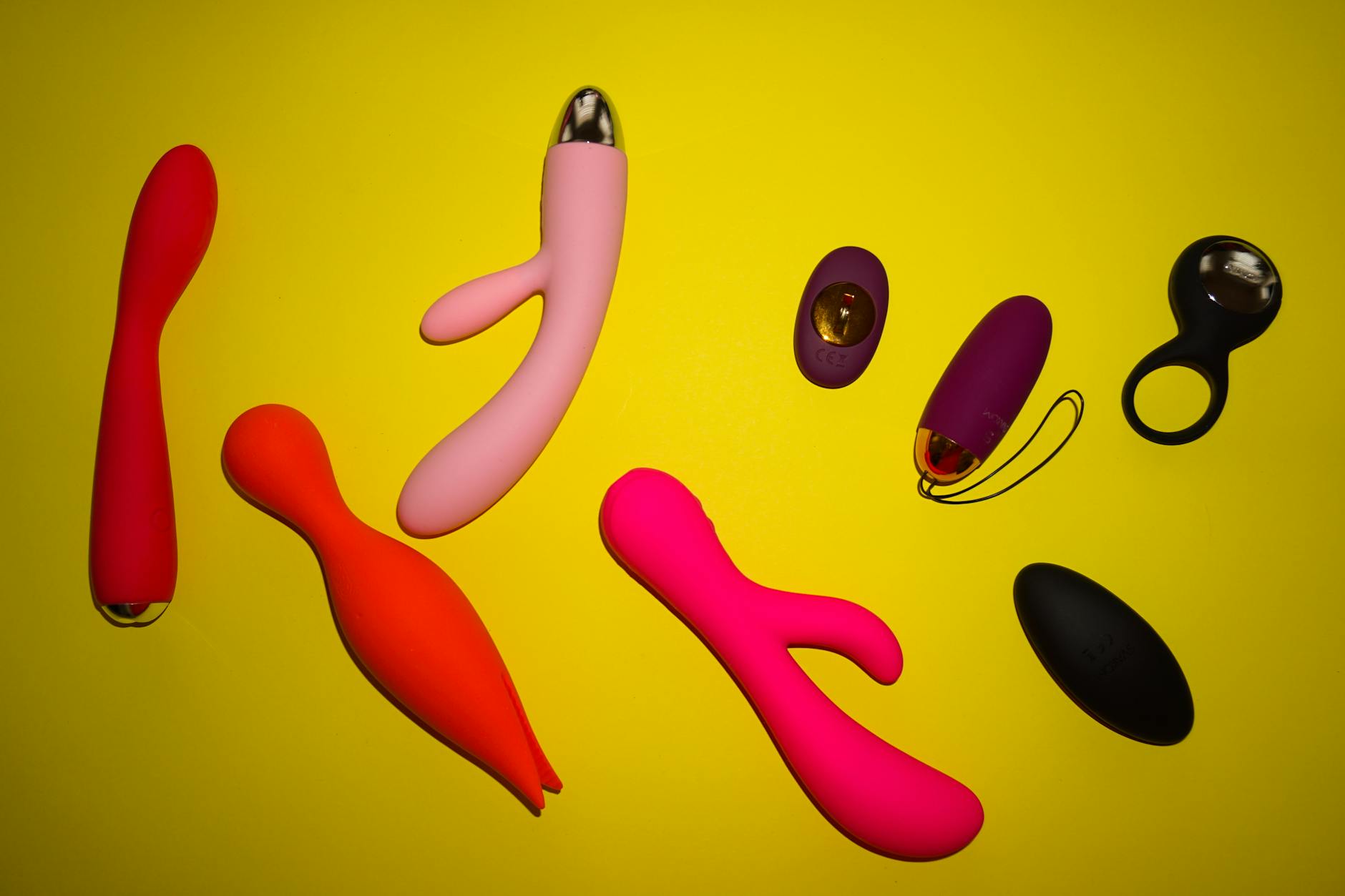
Traditional vibrators are loud, they're intense, they demand a lot from your nervous system. For someone in recovery, that can feel like pressure. The suction-based design of lemon vibrators like the Lem creates a completely different sensation: rhythmic, containable, and crucially, you control the exact intensity from pattern one all the way up.
That control matters more than you might think. Trauma is fundamentally about loss of control. Rebuilding involves reclaiming it, over and over again, in small ways. When you can choose which pattern, hold the device yourself, start and stop whenever you want with zero negotiation, your nervous system begins to trust again.
The suction sensation also bypasses some of the intensity that can trigger defensiveness. It's gentler on the clitoral tissue, which means you're less likely to numb or shut down partway through. That consistency builds confidence.
How to use lemon sexual toys for gentle reconnection
First, separate this entirely from goal-oriented sexuality. You're not trying to have an orgasm. You're trying to feel sensation without fear.
Start with the lowest setting. Set a timer for ten minutes. Use a water-based lubricant. Touch the device to the area surrounding the clitoris first, not directly on it. Notice what you feel without judgment. Boredom is fine. Numbness is fine. Discomfort is information, not failure.
If you feel panic, stop immediately. Your nervous system is telling you something. Listen to it. Tomorrow you try again, maybe for five minutes instead of ten.
Repeat this for two to three weeks before increasing intensity. This isn't laziness. This is how nervous system recalibration actually works. You're slowly convincing your body that sensation and safety can exist in the same moment.
Building sensation literacy after betrayal
One thing I notice in clients recovering from relationship trauma is they've lost the ability to distinguish sensation. Everything feels bad, or nothing registers at all, or sensation gets tangled up with shame and self-judgment.
Using a lemon vibrator solo creates a classroom for sensation. You can notice: where does this feel pleasant? Where does it feel neutral? Where does it feel like too much? No one's watching. No one's judging. No one's going to surprise you or change the plan halfway through.
Over time, that clarity extends. You start to trust your own signals again. You realize you can say no. You realize you can say yes. You realize those two things are both available to you.
When to bring a partner back in
This is a clinical question, not a timeline question. You bring a partner back in when you can experience pleasure solo without dissociation or panic. When you can feel your own arousal without immediate suspicion. When you can take your own hand off the device and not immediately feel unsafe.
If you do have a partner during recovery, the absolute ground rule is this: they don't touch you until you give permission. Not because they've done something wrong now, but because your nervous system needs to know that your body belongs to you first.
Many couples find that watching a partner use a lemon vibrator on themselves, without being asked to perform or reciprocate immediately, rebuilds trust faster than talking about it. You see them experience pleasure. You see them in control. You see vulnerability without harm.
The role of pacing and patience
Trauma recovery is not linear. Some weeks you'll feel more connected to sensation. Some weeks your nervous system will slam the door shut again. This isn't regression. This is normal.
I recommend working with a somatic therapist or trauma-informed sex therapist alongside solo exploration. They can help you understand what's happening in your nervous system when things shift. They can normalize the non-linear path. They can keep you from the trap of self-blame.
The lemon clitoral vibrator is a tool, not a cure. But it's a profoundly useful one because it's completely under your control. No negotiation. No surprise. No one can take it from you or demand anything from it. That absolute autonomy, repeated over time, rewires what safety feels like.
When pleasure returns (and it does)
I've worked with clients who went years without orgasm after betrayal. Then six months of solo work with a device designed for gentleness and control, and suddenly they're experiencing orgasms that are deeper and more satisfying than anything before the trauma.
This isn't magical thinking. It's nervous system recovery. Once your body realizes it can trust sensation again, pleasure doesn't just come back. It comes back transformed.
Your capacity for pleasure is still there. You're just rebuilding the road to it.
FAQ
How long does it typically take to feel pleasure again after relationship trauma?
There's no universal timeline, but most clients I work with notice significant shifts in 8 to 12 weeks of consistent solo exploration. Some move faster. Some need six months. The variable isn't how badly you were hurt, it's how regularly you practice and how much compassion you extend to yourself when your nervous system resists. Patience is the actual medicine here.
Can lemon vibrators trigger trauma responses?
Possibly, especially early on. That's not a reason to avoid them, but a reason to go slowly and work with a trauma-informed therapist. Start at the lowest setting, in private, with time to process afterward. If panic comes up, that's your nervous system communicating. Listen to it, pause, and return when you're ready. The goal is to prove to your body that sensation can be safe. Sometimes that takes multiple attempts.
Should I tell my partner I'm using a lemon vibrator for trauma recovery?
That's your call. Some partners find it helpful to know and understand what you're doing. Others may feel excluded or worried they've caused harm. If you have a partner, the question isn't whether to tell them, but when and how to frame it in a way that's honest without putting pressure on them to "fix" you. A therapist can help you navigate that conversation.
Is solo exploration enough, or do I need professional help too?
Both is ideal. A trauma-informed therapist helps you understand what's happening in your nervous system. Solo exploration with a tool you control helps you retrain that nervous system. They work together. Solo work alone can help, but therapy accelerates it and prevents you from getting stuck in shame cycles when the work feels hard.
Can I use lemon sexual toys if I'm also in antidepressant or anti-anxiety medication?
Yes. Many people find that medication actually makes this work easier because it lowers the baseline panic response. Your nervous system has a bit more capacity to learn. If you're concerned about interactions between medication and sensation, ask your prescriber. The answer is almost always yes.
What if I still can't feel anything after months of trying?
That's very common and not a sign of failure. It might mean you need a different approach (some people find that partnered touch with strict boundaries works better than solo work). It might mean your nervous system needs more time. It might mean you'd benefit from somatic therapy that goes deeper into nervous system regulation. Numbness after trauma is a protective response. Sometimes you need professional help to gently convince your body it's safe to let that protection down.