The thing nobody tells you about bringing toys into partnered sex
Your partner probably already wants this. Not in a "let me drop a hint" way, but in a genuine, uncomplicated way. Research from sex therapists and relationship researchers consistently shows that couples who use vibrators report higher satisfaction, more frequent pleasure, and less sexual tension overall. Yet most people still treat introducing a vibrator like they're about to ask their partner to rebuild the deck.
The awkwardness isn't about the toy itself. It's about what you imagine the conversation will feel like. And that imagination is usually way worse than the reality.
Why the conversation feels hard (and why it isn't)
Here's what's usually running through your head: "Will my partner think I'm not satisfied with them? Will they feel replaced? Will this make things weird?" Those are the phantom objections. Real ones exist too, but they're much rarer.
What's actually happening beneath the surface is a fear of vulnerability. You're about to say "I want more pleasure" or "I want us to try something new," and that feels exposed. It means admitting that your current sex life, however good, could be better. That's true and it's not shameful. That's also what every long-term couple has to eventually say.
The clearer you are about why you want this, the less awkward it feels. "I've read that lemon vibrators can deepen sensation during partnered sex" is a completely different conversation than "I need something you're not giving me."
The timing that actually works
Don't bring it up mid-sex. Don't mention it right before bed hoping it'll naturally flow into the moment. Don't text it. These paths all lead to fumbling conversations when both of you are either aroused, tired, or defensive.
Instead, pick a low-stakes moment outside the bedroom. You're cooking together, driving, sitting on the couch on a Sunday afternoon. Not a "we need to talk" moment, but a regular one. The casualness of the setting makes the conversation feel less weighted.
If you're nervous, you can even frame it as something you learned. "I was reading about clitoral vibrators and how they can actually improve orgasm intensity for both people in the relationship. The science is kind of cool." That gives you an out if your partner seems hesitant. You're not proposing, you're sharing information.
The script that works (no, really)
Here's what a direct version sounds like:
"I've been thinking about trying something new in our sex life. There's this toy called a lemon vibrator, and I read that a lot of couples use them together during sex. I think it could be really good for us, and I'd love to try it with you. What do you think?"
That's it. No apologies. No lengthy preamble about your satisfaction with your partner. No "I saw this and thought maybe you'd like it" softening. Just a clear statement of what you want to try and an invitation for their input.
If your partner asks why, the honest answer is "I want to explore more pleasure together" or "I read they can help couples feel more connected during sex." Both are true. Both sidestep the landmine of "I'm not satisfied," which your partner will hear if you're unclear.
How to handle "I don't know" or "I'm not sure"
This is the most common response, and it's not a rejection. Your partner is probably thinking about their own discomfort with the idea, not rejecting you.
Don't push. Instead, ask what specifically makes them uncertain. Is it about using it during partnered sex versus solo? Is it about the physical sensation? Is it about feeling like their touch wouldn't be enough? Those are different concerns and they need different responses.
If it's about physical sensation: "We could try it on a low setting first, just to see how it feels."
If it's about their role: "This isn't replacing anything. It's adding something. You'd still be touching me, we'd just have this too."
If it's about awkwardness: "It'll feel weird for about thirty seconds, and then it won't."
Then ask if they want to think about it. Most people need a day or two to get comfortable with a new idea. That's completely normal and doesn't mean no.
When your partner says yes (what actually happens)
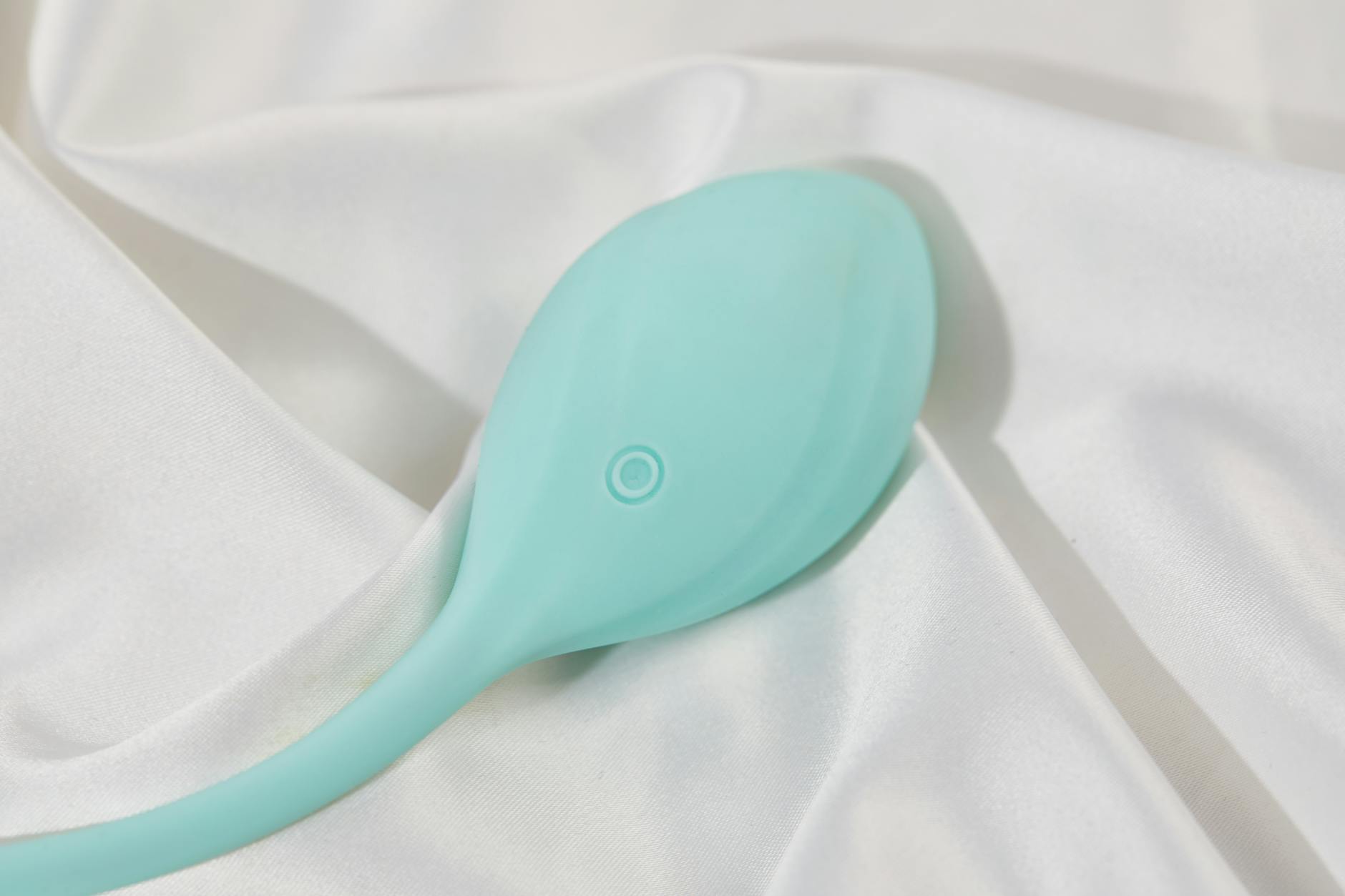
Don't buy the most expensive or intimidating option first. A simpler clitoral vibrator like the Hello Nancy Lem works well because the sensation is intuitive and it's designed to feel good with minimal learning curve. It's also not visually overwhelming, which matters the first time.
When you're ready to actually use it, take your time introducing it into partnered sex. You don't have to start with it inside you during intercourse. You can use it during foreplay, during oral sex, while you're touching your partner. Let it become normal before it becomes central to your sex life.
The first time you use it together, your partner might feel left out. That's real and worth addressing directly. "Help me figure out what feels good" or "Where should I put my hand?" gives them a role. They're not watching you use a toy; they're helping you explore pleasure.
The conversation your partner might need to hear
If your partner is still hesitant after you've introduced the idea, there's often something deeper running underneath. Sometimes it's about control. Sometimes it's about feeling inadequate. Sometimes it's about shame around pleasure in general.
This is worth actually discussing, and it might help to reference resources on how lemon vibrators improve pleasure in partnerships where sensitivity or sensation differs. Sometimes the conversation isn't about the toy at all. It's about whether your partner feels safe expressing what they want sexually.
If your partner is genuinely opposed after you've heard them out, that's different from reluctance. That deserves its own conversation about what's driving the resistance and whether there's a compromise that works for both of you.
Why this conversation actually deepens connection
Here's what most people don't expect: bringing up sex toys often leads to the best conversations couples have had in years. Suddenly you're talking about what feels good, what you want to try, what you've been too shy to mention.
That's the real win. The toy itself is secondary. The conversation is where the actual intimacy lives.
If your partner is receptive, you're now in a dynamic where you're exploring pleasure together. You're curious about each other's bodies in a new way. You're giving each other permission to want things. That carries into every other part of your sex life.
And if your partner needs more time or reassurance? That's information too. It tells you they want to feel safe and heard before trying something new. That's not a rejection. That's an invitation to slow down and connect more deeply first.
The FAQ section nobody asks but everyone wonders
Will using a vibrator make my partner feel like they're not enough?
Not if you frame it correctly. The difference between "I need this because you're not satisfying me" and "I want to explore this with you" is enormous. One is about lack. The other is about expansion. Most partners respond to expansion. They might even feel relieved that there's a solution to pleasure they've been struggling to provide.
What if my partner wants to use it but I'm nervous about it?
Your nervousness probably has nothing to do with the toy and everything to do with vulnerability. You're about to experience pleasure in a new way in front of someone. That feels exposed. Talk to your partner about that feeling instead of keeping it silent. "I'm excited but also a little nervous about this being different" is honest and human.
Can we use a lemon vibrator during intercourse?
Yes, absolutely. Many people find that a clitoral vibrator during penetrative sex intensifies sensation for both partners. Start with positions where there's room for the toy, and talk through it as you go. What feels good changes as you're in the moment, so communication matters more than perfect positioning.
What if my partner suggests using a vibrator and I'm the one who's hesitant?
Take your own advice. Ask what specifically appeals to them about it. Listen without defending your hesitation. Then take time to think about whether your concern is about the toy, about yourself, or about your relationship dynamics. Those are three different conversations.
Should we introduce a vibrator to solve a problem or to enhance what's already working?
Both are valid. Sometimes couples use vibrators because someone's struggling to orgasm or they've hit a plateau. Sometimes they use them because they want to explore new sensation together. Either way, the conversation is the same: vulnerability, clarity, and mutual enthusiasm.
How often do couples actually use toys after the first time?
More than you'd think. Studies suggest that couples who introduce toys often incorporate them into their regular sex life, not as a one-off experiment. The initial awkwardness dissolves completely once you've done it once. After that, it's just another tool in your kit.
The bridge to a more connected sex life
The conversation about introducing a lemon vibrator is actually a conversation about permission. Permission to want things. Permission to ask for them. Permission to explore pleasure without shame or judgment.
If you can do that successfully with a toy, you can do it with anything. You can say "I want this" and have it heard as curiosity rather than criticism. That's the foundation of long-term sexual connection.
Start with the conversation. The toy is the easy part.