Here's the thing about alcohol and sex
You already know alcohol makes you feel loose and less inhibited. What's less talked about is what it does to your actual nervous system. Alcohol is a depressant. It slows down nerve signal transmission, which means the messages your body sends to your brain about touch, arousal, and pleasure get delayed and dampened. This is why the glass of wine that was supposed to relax you sometimes turns into an evening of feeling surprisingly numb down there.
It's not your imagination. It's also not permanent. But it does mean you need a different approach if you want to feel something when you've been drinking.
Why alcohol specifically messes with sensation
Your clitoris has roughly 8,000 nerve endings packed into a space the size of a pea. This is actually good news for sensitivity, but it also means that anything that slows down your nervous system hits harder. Alcohol does three specific things to sexual sensation:
First, it increases the threshold you need to cross before a sensation registers as pleasure. Light touch feels like nothing. You need more stimulation to reach the same level of feeling.
Second, alcohol delays arousal response. Your body takes longer to warm up. Blood flow to the genitals happens more slowly. The natural lubrication that makes touch feel good arrives later or barely arrives at all. This creates a catch-22: you need stimulation to feel aroused, but your body isn't primed to respond to it yet.
Third, alcohol can interfere with orgasm itself. Your pelvic floor muscles need clear neurological signals to contract properly during orgasm. When those signals are muffled, orgasms feel flatter or harder to reach entirely.
The good news: you can work around this with the right tool and strategy.
Why suction-based stimulation works better when you're drinking
A traditional vibrator moves back and forth or in patterns. This feels great, but it relies on your nerves being primed and responsive. When alcohol has dulled your sensation, a soft vibrating pattern might feel like nothing at all.
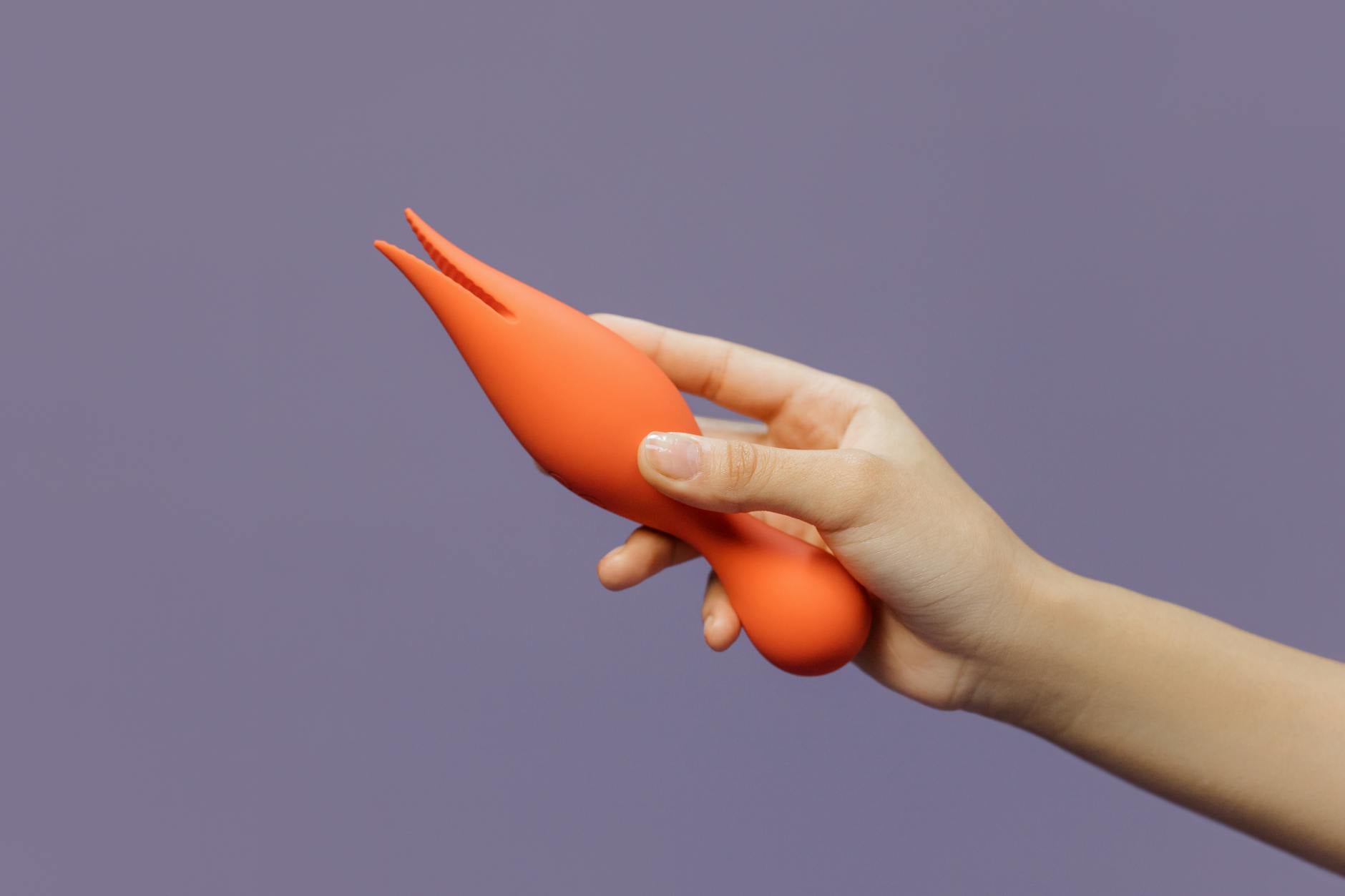
Suction works differently. Instead of vibration alone, suction creates gentle pressure waves that engage a much larger area of nerve tissue. A lemon clitoral vibrator like the Lem uses suction to stimulate the entire clitoral complex (not just the external tip). This means:
You're stimulating more nerve endings at once. Even if each individual nerve signal is muted by alcohol, the cumulative effect of more nerves firing tends to cut through the numbness.
Suction creates a different sensation pathway than vibration. Your brain can sometimes process pressure and suction even when light touch has disappeared. This is why people who've lost sensation to neuropathy or numbness from other drugs often rediscover pleasure with suction toys.
The build-up is usually stronger. Suction tends to create a more sustained, mounting sensation rather than a tickling one. This helps overcome the delayed arousal response that alcohol causes.
How to actually use a lemon sucker when drinking
Timing matters. Don't try to use a lemon vibrator in the first 30-45 minutes after drinking. Your body is still processing the alcohol and your arousal system is still shutting down. Give yourself at least an hour, ideally two. This sounds counterintuitive, but you're working with your body's timeline, not against it.
Start sober-ish. If you're planning to drink and then have sex, the best window is early in your drinking session, not at the end. One or two drinks will affect sensation, but you'll have more nerve responsiveness than three or four. Know your own threshold.
Warm up longer than usual. Budget 20-30 minutes for foreplay instead of 10. Your body needs more runway to get aroused when alcohol is in your system. Don't rush this. Touch your whole body, not just your genitals. Make out. Let anticipation build. The slower you go, the more your nervous system has time to bypass some of the alcohol's dampening effect.
Start with the Lem on its lowest setting. Seriously. Even if you usually go straight to medium intensity, start lower. Your sensitivity is already compromised. Beginning gently gives you a baseline to work from and lets you notice when sensation starts to wake up.
Move around. Don't lock the suction in one spot for more than 30-60 seconds. Shift the angle slightly. Pulse the intensity. Vary the pattern. Numbed nerves respond better to novelty and change. Constant stimulation in the same spot becomes white noise, especially when alcohol is involved.
Use water-based lubricant, even though the Lem doesn't require it. It won't hurt, and it can help maximize whatever sensation is available. The reduced natural lubrication from alcohol means a little external help isn't a bad idea.
What to expect and what to let go of
Your orgasm might take longer. This is normal. Accept it. Don't make it a problem. Some people find that when they stop trying to "make" something happen and just enjoy the sensation, things shift. Others find that orgasm just takes a different shape on alcohol. Maybe it's a slow build instead of a sharp peak. That's still an orgasm.
You might not come at all, and that's okay too. Not every session needs to end in orgasm to be pleasurable. If you're feeling something, if you're present, if you're enjoying your body, that's the win. The orgasm is a bonus, not the requirement.
Your body might surprise you. Some people who find their sensation is completely gone find that the Lem's suction brings back feeling in unexpected ways. Others realize that the issue isn't the vibrator, it's the amount of alcohol in their system, and they adjust their drinking accordingly.
Notice what you're actually feeling, not what you think you should feel. Alcohol makes internal feedback weird sometimes. You might feel more sensation in different parts of your genitals than you usually do. Pay attention to that instead of expecting your "normal" experience.
The bigger picture: alcohol, sensation, and your relationship
If alcohol is regularly killing your sensation and you're regularly frustrated about it, this is worth a real conversation. Not with yourself, but with whoever else is in the picture. How to use lemon vibrators when your partner wants to learn together is especially relevant if you're navigating this with someone else.
Some couples find that having a shared understanding of how alcohol affects them actually brings them closer. "Tonight is a one-drink night so I can actually feel something" is different from "I'm numb and frustrated and something's wrong with me." The first is practical. The second is shame.
If you find you need alcohol to relax enough to have sex, that's a separate conversation worth having. That's not about the vibrator. That's about underlying anxiety or pressure in your relationship that might benefit from a conversation or a couples therapist.
If you're drinking alone and using toys to feel better, pay attention to that pattern too. Pleasure is great. Using alcohol and toys to numb out feelings is different. Just noticing is enough for now.
When sensation is gone and nothing helps
If you've tried all this and alcohol consistently makes you completely numb, the issue is probably the amount you're drinking, not the tool. Excessive alcohol can create temporary sexual dysfunction that no vibrator will fix. If this is happening, it's worth cutting back or cutting it out on nights when you want to have sex.
Some people find that switching from wine or liquor to beer helps slightly because they're drinking more liquid over a longer period, which slows absorption. Others find that eating a full meal before drinking buffers the nervous system impact. These are small tweaks, but they sometimes help.
If numbness happens even when you're barely drinking, or if numbness is a new thing that just started, check with a doctor. Sometimes this points to something else entirely, like depression, medication side effects, or a medical condition. A lemon clitoral vibrator is great, but it's not a replacement for actual care.
The practical takeaway
You deserve pleasure, even when you're drinking. Even when it takes longer. Even when it feels different. A lemon vibrator, particularly one that uses suction rather than straight vibration, is genuinely better at cutting through alcohol-induced numbness than most other tools. But it works best when you're patient, when you start lower and slower than you think you need to, and when you let go of whatever experience you usually have.
Your body is still in there. The sensation is still there. You just need the right frequency and the right approach to find it. That's what the Lem does. The rest is up to you, your timeline, and your partner if there is one.
FAQ
Does alcohol make it impossible to orgasm with a lemon vibrator?
Not impossible, but harder. Alcohol delays arousal response and dampens nerve signal transmission, which means it takes longer to build to orgasm and the orgasm itself might feel less intense. Using a lemon clitoral vibrator with suction stimulation helps because it engages more nerve tissue at once, which can cut through some of that numbness. But patience and a longer warm-up period are key. Some people find they simply can't orgasm after a certain amount of alcohol, and accepting that rather than fighting it takes the pressure off.
How much alcohol is too much before I try using a lemon vibrator?
Everyone's threshold is different, but generally speaking, one or two drinks is manageable. Three or more drinks significantly impacts nerve sensitivity and arousal response. If you're planning to have sex with a vibrator, keep it to one drink or save it for early in your evening rather than the end. Pay attention to your own body. If you notice you're consistently numb, that's your signal to either cut back or wait longer between drinking and sex.
Will a lemon sucker vibrator work better than a regular vibrator when I've been drinking?
Yes, typically. Suction-based stimulation engages a larger area of nerve tissue and creates a different sensation pathway than vibration alone. Because alcohol dampens overall sensation, the broader nerve activation from suction tends to cut through numbness better than a traditional vibrating pattern would. The Lem's suction approach is specifically useful in this context because it doesn't rely on you having peak sensitivity already.
What if I feel nothing at all when using my lemon vibrator after drinking?
First, wait longer before trying. Don't use the vibrator until at least an hour after drinking. Second, extend your warm-up time to 20-30 minutes and engage your whole body, not just your genitals. Third, start on the lowest setting. If you're still feeling nothing, the amount of alcohol in your system is probably creating a numbness threshold that no vibrator can overcome. That's your signal to either drink less or skip sex altogether for that night. It's not a failure of the tool or your body.
Can I use a lemon clitoral vibrator safely when I've been drinking?
Yes, as long as you're sober enough to consent and operate the device. The Lem is easy to control, waterproof, and designed for external use only. The main safety concern isn't the vibrator itself. It's making sure you're actually able to enjoy the experience rather than pushing yourself when you're too numb to feel anything. If you're too intoxicated to use good judgment about what you want, that's a sign to wait.
Does alcohol affect my ability to use a lemon vibrator if I'm on antidepressants or other medication?
Alcohol combined with SSRIs or other medications can further dampen sensation. If you're on medication that already affects sexual response, adding alcohol on top of that is a double hit to your nervous system. Talk to your doctor about this. In the meantime, the strategy of lower intensity, longer warm-up, and suction-based stimulation still applies. You're just working with an even higher sensitivity threshold, so patience becomes even more important.
Sources
Alcohol and sexual dysfunction research: National Institute on Alcohol Abuse and Alcoholism (NIAAA) studies on alcohol's effects on sexual response cycle.
Nerve sensitivity and suction stimulation: Neuroscience research on clitoral sensitivity thresholds and sensory adaptation in the presence of depressants.
Arousal response and alcohol: Masters and Johnson research on sexual response phases and how depressants alter the plateau phase.