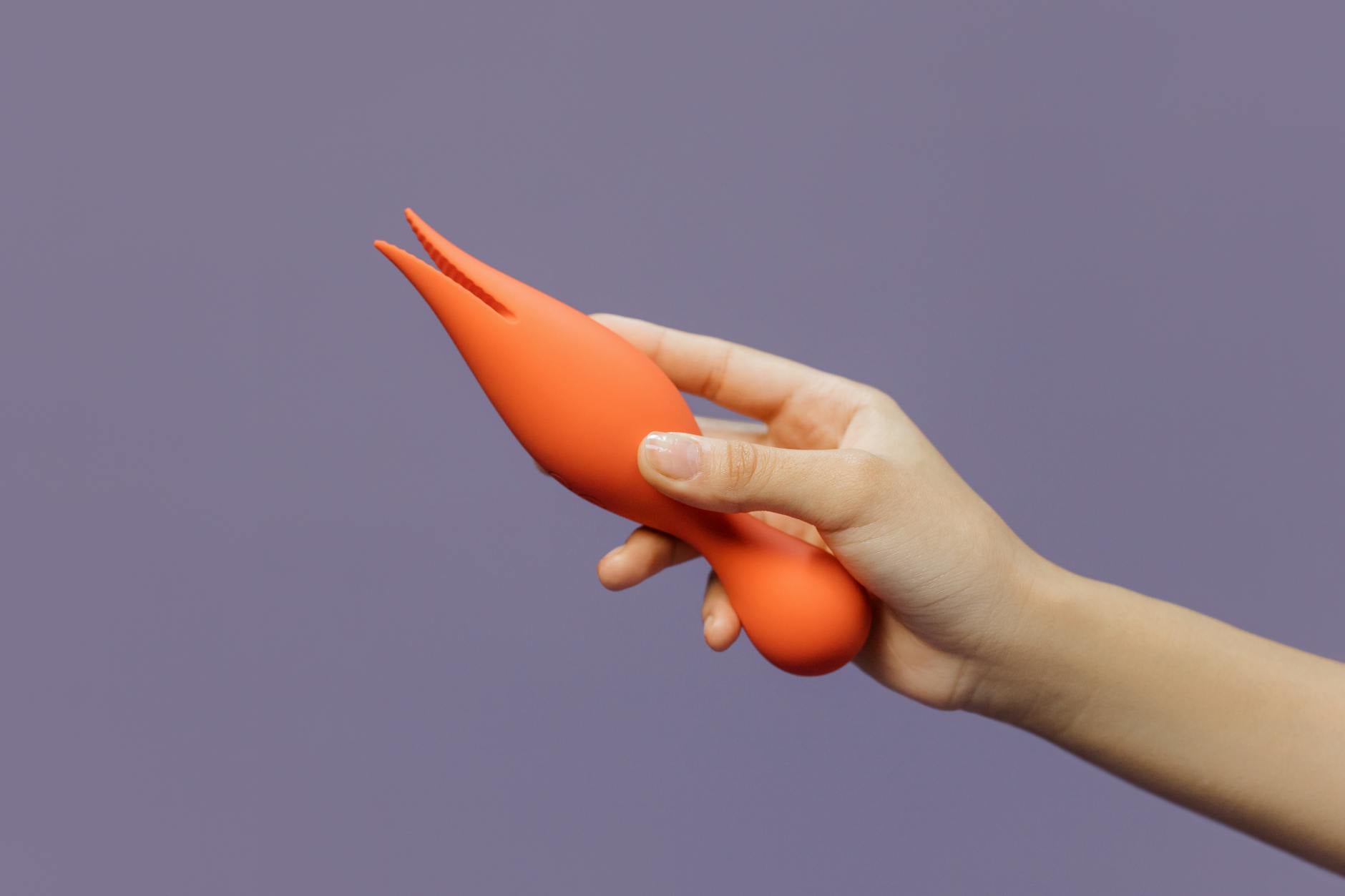
When anxiety steals your pleasure before you even start
Here's the thing about anxiety: it doesn't just mess with your mind. It hijacks your entire nervous system, shutting down the parasympathetic branch that's responsible for arousal, sensation, and pleasure. Your body literally can't feel what it normally would because you're stuck in fight-or-flight mode.
That numbness isn't a personal failing. It's biology. And it's fixable.
How anxiety kills sensation at the physical level
When you're anxious, your brain floods your system with cortisol and adrenaline. Blood vessels constrict. Your vagus nerve, which controls the relaxation response, gets deprioritized. The tissues that would normally engorge and become sensitive during arousal stay flat and unresponsive. You can be completely willing, completely attracted to your partner, and still feel absolutely nothing down there.
This is why traditional vibrators sometimes feel worse when anxiety is in the picture. They demand intensity to cut through the numbness, which can feel aggressive or overstimulating when your nervous system is already in overdrive. You end up feeling frustrated instead of turned on.
Lemon vibrators, particularly air-suction models like the Lem, work differently. Instead of aggressive buzzing that requires receptivity your body isn't ready to give, they create a rhythmic suction pattern that actually helps reset your nervous system. The sensation is more like a subtle pulse than a relentless buzz. For anxious bodies, that's often the difference between feeling nothing and feeling everything.
Why suction works better than traditional vibration for anxiety
Three reasons suction beats standard vibration when anxiety is active:
It doesn't demand existing sensation. Traditional vibrators need your tissue to already be somewhat receptive. Suction creates its own sensation from the outside in, actually helping your nervous system recognize that it's safe to respond. You're not trying to feel something. The tool is helping you get there.
It's actually soothing. Rhythmic suction has a paradoxical effect on anxious bodies. It's stimulating enough to break through numbness but rhythmic enough to feel calming. Your brain registers the pattern as safe, which activates your parasympathetic nervous system. Calm and arousal start working together instead of competing.
It spreads the sensation wider. Suction stimulates a broader area of nerve endings rather than concentrating all the intensity in one spot. For anxiety-numbed bodies, this distributed sensation is often more noticeable and more pleasurable than pointed intensity.
Step one: reset your nervous system before pleasure even enters the conversation
This is the step most people skip, and it's why they keep feeling numb. You can't jump straight to pleasure when anxiety has your nervous system locked down.
Spend 10 to 15 minutes doing something that activates your parasympathetic response. This could be deep belly breathing, a warm bath, gentle stretching, or lying down with your eyes closed and listening to music that makes you feel safe. The goal isn't to become aroused. It's to tell your nervous system that the threat has passed.
I often recommend the 4-7-8 breathing pattern: breathe in for 4 counts, hold for 7, exhale for 8. Do this for five minutes. It directly activates your vagus nerve and downregulates cortisol. Your body will literally feel different afterward.
Only then do you move toward pleasure.
Step two: start with exploration, not goals
The second massive mistake people make is bringing goal-oriented thinking into anxious pleasure. "I need to have an orgasm." "I should be able to feel this." "Why isn't this working?" That's just more anxiety, dressed up in different words.
Instead, approach your lemon vibrator like you're learning a new language. The goal is sensation, not outcome. Use it on low settings in non-genital places first. Your inner thighs, the soft skin on your lower belly, your chest. This serves two purposes: it lets your nervous system get used to the sensation without performance pressure, and it helps you figure out what kind of stimulation actually feels good on your body right now.
Anxiety changes what feels good. What worked a month ago might feel wrong today. You're not broken. You're just recalibrating.
Step three: timing and context matter more than technique
Here's something they don't tell you: you can't pleasure your way out of acute anxiety. If you're in the middle of a stress spiral, no lemon clitoral vibrator is going to fix that in the moment. You have to get yourself to a baseline of calm first.
That means being strategic about when you use your tool. Not after a fight with your partner. Not when you're worried about work deadlines. Not when you're in a busy household and half-listening for someone to walk in. Choose a time when your nervous system has some actual capacity. Usually that's early morning or late at night, when your cortisol is lower and your environment is genuinely quiet.
Context is everything. Even five minutes of true privacy, without your phone, without distractions, makes a difference your body can feel.
Step four: use your lemon vibrator as a communication tool, not a fix-all
If you're in a relationship, your partner needs to understand that anxiety-related numbness isn't about them. It's not that they're not attractive enough or that the spark is gone. It's that your nervous system is in survival mode.
Using a lemon vibrator together (or even just in their presence, if that feels right) can actually help your partner see that this is a sensory issue, not a desire issue. You want pleasure. You want connection. Your body just needs a little help getting there. That's a completely different conversation than "I don't want you."
I've worked with couples where introducing a clitoral vibrator during foreplay actually deepened intimacy because it took the pressure off penetration and made pleasure the priority. Anxiety thrives on pressure. It dissolves when pleasure is the point.
Step five: track what actually works, then build on it
Anxiety is specific. What triggers it varies wildly from person to person. Maybe it's performance pressure. Maybe it's a specific time of day. Maybe it's being watched. Maybe it's the opposite, being alone feels vulnerable.
After you've used your lemon vibrator a few times, notice patterns. When did sensation come easiest? What settings felt best? What time of day? What context? Were you with someone or alone? This isn't journaling for fun. It's data that helps you set yourself up for success next time.
Over time, you start to notice that anxiety's grip loosens. Not because you're "fixed." But because you've given your nervous system repeated evidence that pleasure is possible, that sensation is coming back, that you're safe. That's how the brain rewires itself.
Photo by cottonbro studio on Pexels
When anxiety medication changes what you feel
Here's something that deserves its own section because it comes up constantly: anxiety medication (particularly SSRIs) can numb sensation as a side effect. You're taking the medication because you need it. But your body is paying a price.
If this is your situation, you have options. Some people find that lemon vibrators are actually more effective than traditional toys because they don't require existing sensitivity to work. The suction creates sensation rather than relying on it.
Others benefit from talking to their prescriber about timing: taking the medication at a different time of day, or adjusting the dose, sometimes helps. And some people discover that their nervous system adapts after a few months and sensation slowly returns.
The point is, you don't have to choose between mental health and pleasure. But you might have to be more intentional about pleasure while you're managing anxiety.
FAQ: The questions people actually ask
What's the difference between lemon vibrators and regular vibrators for anxiety?
Lemon vibrators, particularly air-suction models, create sensation from the outside in rather than demanding existing receptivity. They also have rhythmic patterns that can activate your parasympathetic nervous system. Regular vibrators often rely on intensity to cut through numbness, which can feel aggressive when anxiety has your body locked down. For anxious bodies, suction typically feels more accessible and more calming.
How long does it take for sensation to come back with a lemon vibrator?
That depends entirely on your nervous system and what's driving the anxiety. Some people feel noticeable shifts within a few sessions. Others take weeks. The key is consistency and patience. Each time you use your tool in a calm, pressure-free context, you're training your nervous system that pleasure is possible. That retraining takes time, but it works.
Can I use a lemon clitoral vibrator if I'm on anxiety medication?
Absolutely. Some anxiety medications do numb sensation as a side effect, which makes lemon vibrators potentially more useful, not less, because they create sensation. If you're concerned about how your specific medication is affecting pleasure, talk to your prescriber. Timing adjustments or dose changes sometimes help.
Is the numbness permanent?
No. Anxiety-related numbness is a nervous system response, not a structural change. When anxiety decreases, sensation comes back. Using tools like lemon vibrators can actually speed that process because you're giving your nervous system repeated evidence that pleasure is safe and possible.
Should I use a lemon vibrator alone or with my partner when I'm dealing with anxiety?
Start alone. Let your nervous system get used to the sensation without performance pressure. Once you're comfortable, you can bring your partner in if that feels right. Solo exploration removes one major anxiety trigger: feeling watched or judged. That breathing room matters.
What if the vibrator itself makes my anxiety worse?
That's worth paying attention to. Sometimes the sensation of the tool can trigger an anxious response if you have past trauma or if you're genuinely not ready. If that's happening, slow down. Use it on lower settings. Use it on non-genital areas first. Or take a break entirely and focus on nervous system work without any tool. Your comfort comes first. Everything else follows.
The real thing about anxiety and pleasure
Anxiety doesn't mean you've lost your capacity for pleasure. It means your nervous system is stuck in protection mode. A lemon vibrator isn't a magic fix. It's a tool that helps your nervous system recognize that it's actually safe to feel good.
That matters. Not because pleasure is the most important thing in life, but because reclaiming sensation, reclaiming your body, reclaiming joy is part of healing from anxiety. Your body deserves to feel good. Sometimes it just needs a little help getting there.
If you're struggling with this, talking to a therapist who specializes in somatic work (nervous system-based therapy) can be genuinely transformative. So can learning about how lemon vibrators work better for solo play when you're still figuring out what your body needs. And if anxiety is tangled up with relationship dynamics, that's a conversation worth having with your partner or a couples counselor.
Your pleasure matters. Your body matters. Start there.