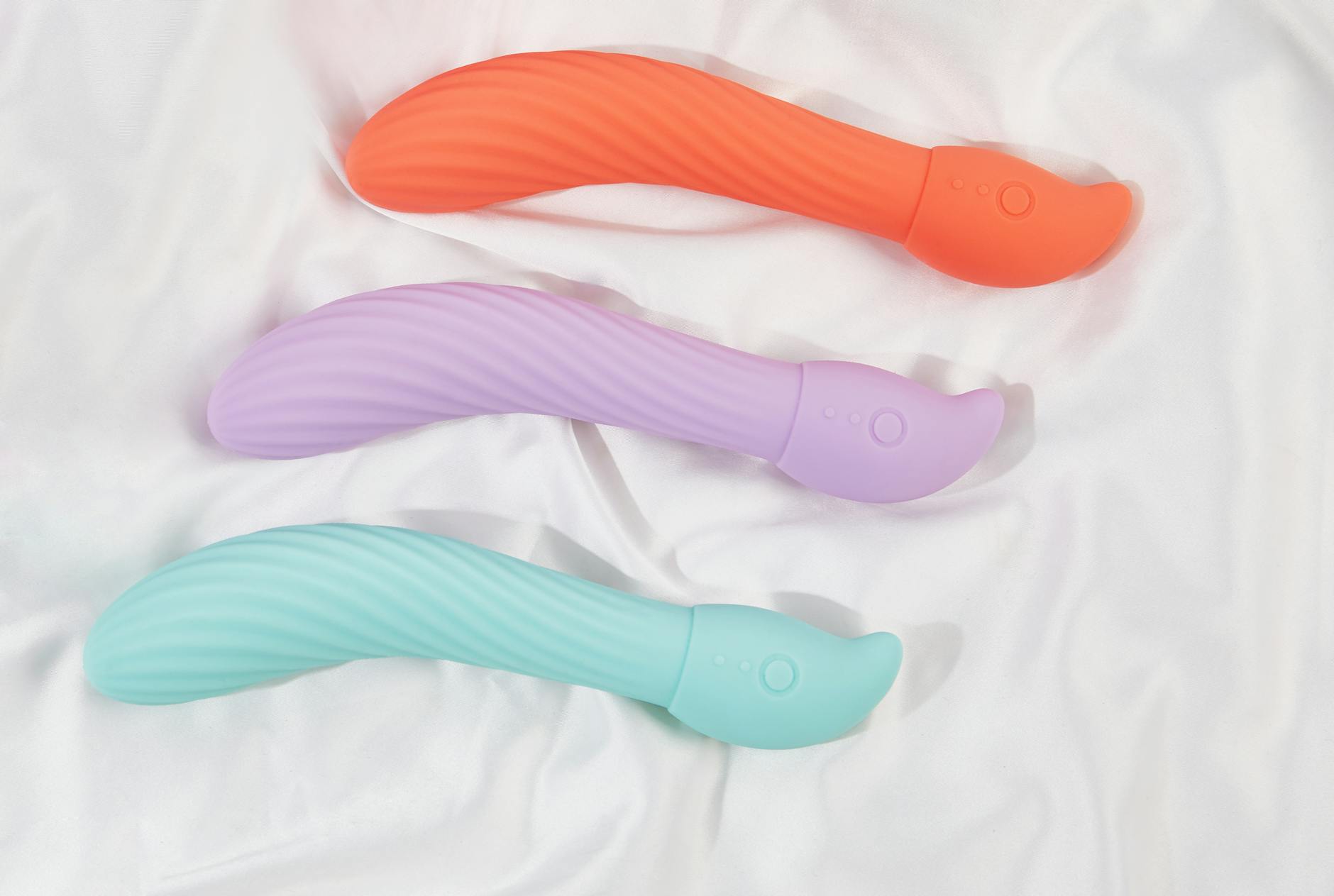
Here's what actually changes when menopause hits your body
Let's be real: menopause rewires the physical experience of pleasure. Estrogen levels drop by up to 90 percent. Testosterone dips too. The tissue that lines your vulva gets thinner and less elastic. Blood flow to the clitoris slows down. Arousal takes longer to build. Sensation feels muted or, sometimes, painful.
The part nobody tells you? This doesn't mean pleasure is gone. It just means the tools that worked before might not work now. A vibrator you loved at 40 might feel too intense, too numb-inducing, or just wrong at 55. And a lemon vibrator, specifically, works better for post-menopausal bodies than most people realize.
Why menopause changes clitoral sensitivity
Here's the biology. The clitoris has about 8,000 nerve endings, and those don't disappear at menopause. What changes is the tissue surrounding those nerves. Thinner, drier tissue means the vibration translates differently to those nerve endings. It's like the volume control on your nervous system shifted, and some frequencies don't come through as clearly.
Traditional vibrators with high-frequency buzzing can actually numb the tissue faster when you're post-menopausal because they're working on skin that's already desensitized by hormone loss. It's a feedback loop: vibration on thin tissue numbs faster, so you crank the intensity, which numbs it more.
A lemon vibrator works on a different principle. Air-pulse stimulation (also called suction) doesn't vibrate. It creates rhythmic pressure changes that draw blood into the tissue, which does two things at once. It restores sensation by increasing blood flow. And it avoids the numbing effect of high-frequency vibration on sensitive post-menopausal skin.
What lemon clitoral vibrators do differently
Let me break down the mechanics. A lemon vibrator like the one Hello Nancy makes uses gentle suction pulses rather than buzzing vibration. When you apply it to the clitoris, it creates a rhythmic seal and release. Each pulse brings fresh blood to the tissue. Blood carries oxygen and nutrients. Tissue that's been starved of sensation due to hormone loss wakes up.
This is particularly useful because post-menopausal tissue is thinner and more fragile. A traditional vibrator can feel abrading or cause micro-tears that lead to irritation or pain. Suction-based stimulation is gentler mechanically while being more intense neurologically. You're not rubbing; you're pulsing.
The lemon sucker design also allows for more precise application. You can start at the lowest setting and feel the effects clearly because the stimulation isn't spreading. You know exactly what's working and where.
Step-by-step: using a lemon vibrator post-menopause
Start with lubrication
Water-based lube is non-negotiable. Post-menopausal bodies produce less natural lubrication, and silicone lube can degrade silicone toys. A water-based lubricant like Hyalo or a quality drugstore option creates a seal between the lemon vibrator and your skin, which makes the suction sensation more consistent.
Begin at the lowest setting
Don't start where you think you "should" be. Your post-menopausal clitoris is sensitive in a different way than it was at 35. Low intensity at this stage isn't wimpy. It's where the magic happens. Most Hello Nancy users post-menopause find settings 1 or 2 produce the strongest sensation because they allow the tissue to respond without overwhelming it.
Apply it gently and test the seal
Rest the lemon vibrator against your clitoris without pressing. You're not pushing. The device creates suction naturally when you position it right. You'll feel a gentle drawing sensation. That's correct. If you feel nothing, you might need a tiny bit more lube or a slight adjustment.
Let your body set the pace
Unlike traditional vibrators that you control with thrusting or movement, a lemon vibrator does its job while you stay still. Your nervous system can actually register what's happening without the distraction of movement. This is particularly important post-menopause because arousal is slower to build, and your brain needs time to register sensation.
Increase intensity only if needed
Many people jump from setting 1 to setting 3 because they expect to feel "something." Post-menopause, subtlety is intensity. Spend three to five minutes at the lowest setting before even considering a change. Sensation builds over time with suction-based devices in a way it doesn't with vibrators.
Why the lemon vibrator avoids the numbing trap
Traditional vibrators work through repetitive micro-movements that fatigue nerve endings. After five or ten minutes, those 8,000 nerve endings in your clitoris literally stop firing as much because they're overwhelmed. It's called habituation, and it's why vibrator users often need to keep increasing the intensity to feel anything.
Suction doesn't fatigue nerves the same way. The pulsing action stimulates the tissue through blood flow and pressure change, not through friction or repetitive vibration. You can use a lemon vibrator for 20 or 30 minutes and still feel sensation increasing, not decreasing. This is why people post-menopause often report that lemon clitoral vibrators feel better and more reliable than anything they used before.
Combining a lemon vibrator with other tools
If you're using topical estrogen cream (a reasonable medical choice post-menopause), you can use a lemon vibrator about 15 minutes after application. The cream needs time to absorb, but once it does, the combination of restored tissue elasticity and suction-based stimulation is often powerful.
Water-based lubricant is your friend regardless. It's not admitting defeat. It's using the tool correctly. Hello Nancy's lemon vibrators work best when there's a good seal, and lube makes that happen consistently.
Addressing pain during menopause
If you experience sharp pain, burning, or discomfort when using any device post-menopause, that's your signal to stop and check in with a gynecologist. Genitourinary syndrome of menopause (GSM) is common and very treatable. A topical estrogen or vaginal DHEA can transform the experience within weeks. A lemon vibrator can be part of your pleasure toolkit, but it's not a treatment for GSM.
What to expect after consistent use
Honestly? Most people report that sensation improves over two to three weeks of regular use. That improvement is partly physiological. Stimulation increases blood flow, which restores some of the tissue elasticity and nerve responsiveness that hormone loss reduced. It's also partly neural. Your nervous system relearns what pleasure feels like post-menopause.
Partners sometimes notice the change before the person using the device does. Arousal happens faster. Orgasm feels fuller. The body responds more readily. These aren't placebo effects. They're the result of restored tissue function combined with consistent, non-numbing stimulation.
FAQ: Lemon vibrators and post-menopause sensitivity
Can you use a lemon vibrator if you're on hormone replacement therapy?
Yes, absolutely. If anything, HRT restores some tissue thickness and elasticity, which can make the sensation from a lemon vibrator feel even clearer. The same low-to-medium intensity settings usually apply, but you might find you can move to higher settings faster than someone not on HRT.
How long should a session last post-menopause?
Start with 10 to 15 minutes. Because suction-based stimulation doesn't numb nerves the same way, you might go longer than you would with a traditional vibrator. Anywhere from 15 to 30 minutes is common, depending on arousal level and what feels good.
Should you use the lemon vibrator on higher settings post-menopause?
Not necessarily. Post-menopausal sensation is different, not broken. Many people find that lower settings on a lemon vibrator produce stronger sensations than higher settings on traditional vibrators because suction stimulates differently than vibration. Start low and let your body tell you when to increase.
Can a lemon vibrator help if you've lost interest in sex after menopause?
Loss of desire post-menopause is usually hormonal, psychological, or both. A lemon vibrator can help restore physical sensation, which sometimes rekindled desire naturally. But if desire is completely absent, that's worth discussing with a healthcare provider or a therapist who specializes in menopause transitions.
What if you feel nothing at first with a lemon vibrator?
That's common, especially if you've been numb for a while. Give it at least five sessions before deciding it's not working. Your nervous system needs time to recognize the sensation. Make sure you're using enough water-based lube and that the seal is tight. If nothing changes after a week, your tissue might benefit from topical estrogen first.
Are lemon vibrators safe to use every day post-menopause?
Yes. Unlike traditional vibrators, which can cause temporary numbing if overused, suction-based devices don't have the same cumulative dulling effect. Daily use is fine if you want it. Your body will tell you if it needs a rest day.
The bottom line
Menopause changes sensation. But changed doesn't mean gone. A lemon vibrator works with post-menopausal bodies instead of against them. The suction mechanism avoids the numbing trap that high-frequency vibration creates on thinned tissue. You start low, use plenty of lube, and let your nervous system relearn pleasure at its own pace.
Your best orgasms might still be ahead of you. It takes the right tool and honest patience. And honestly, that's worth the experiment.