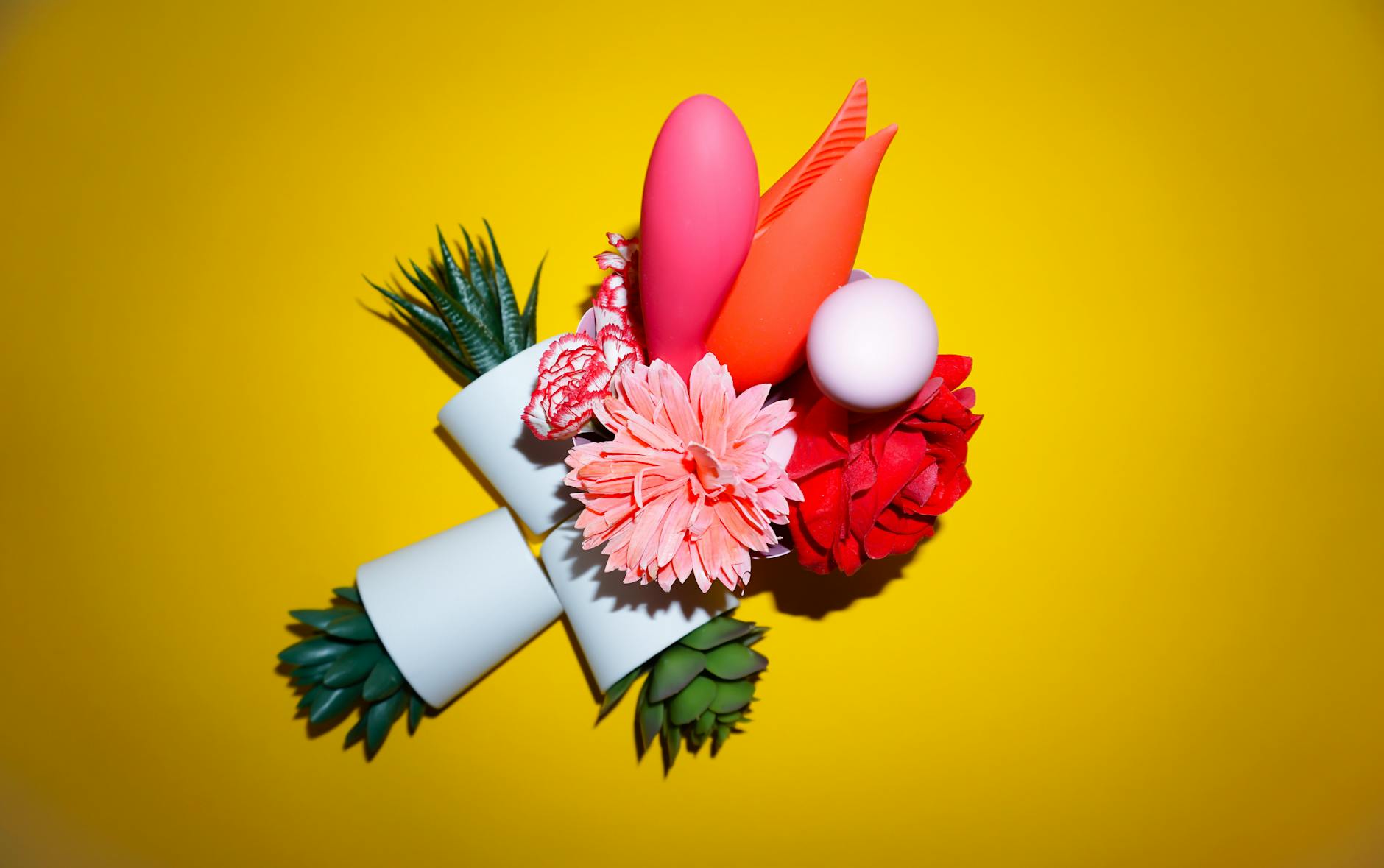
Let's start with the mismatch that kills intimacy
One of you wants more. The other says stop, it's too much. Neither of you is wrong. This is one of the most common friction points in couples I work with, and it usually ends the same way. Someone compromises into resentment, or you both just stop trying.
Here's the thing: it's not about willingness or compatibility. It's usually about tool design. Most vibrators are built with one intensity curve in mind, and if that's not your curve, you're stuck.
A lemon clitoral vibrator changes this entirely because of how it works. Instead of direct vibration, it uses suction and pulse. That means you get control over intensity in ways a traditional vibrator doesn't offer, which is exactly what couples need when one person's nervous system runs hotter than the other's.
Why suction-based stimulation works differently
When you're using a wand vibrator or a standard internal toy, intensity lives on a dial. You're basically choosing between too little and too much, with maybe three stops in between. With a lemon vibrator, you actually have several layers of control at once.
First, there's the pattern itself. Lower patterns feel gentler because the pulse is slower and less aggressive. But here's the part most couples miss: you also control sensation by how much contact the toy makes with the body. A light touch with pattern 2 is wildly different from full seal contact with pattern 2. This means your partner who gets overstimulated can ask for lighter contact while you're still using the toy actively, instead of just turning it off entirely.
Second, suction-based stimulation feels less numb-inducing over time. If your partner dreads the numbing sensation that comes with traditional vibrators after 10 minutes, a lemon vibrator often buys you 20 or 30 minutes before that kicks in. For couples, that's the difference between rushed and relaxed.
The conversation you actually need to have
Before you even touch the toy, get specific about what "too much" means. Does your partner mean the intensity hurts? Does it feel overwhelming mentally? Does it numb them out? Does it overstimulate them to the point of losing arousal?
These are all different problems with different solutions. If it's pain, you might be moving too fast or need more lubrication. If it's numbness, you need lower intensity and longer breaks. If it's overwhelm, you might actually be okay with intensity but need slower rhythm or patterns with more space between pulses.
I ask couples to use this exact phrasing: "When you say it's too much, do you mean the sensation is physically uncomfortable, or does it just feel like too much stimulation at once?" That one question usually unlocks the actual barrier.
How to set up the experience for success
Start with intention, not with the toy. Spend 15 minutes on foreplay without any toy at all. This matters because your partner's body is primed to receive gentler sensation when arousal is already building. If you're starting from zero and jumping straight to a lemon vibrator on pattern 3, of course it feels like too much.
When you introduce the toy, start with pattern 1. Yes, pattern 1. I know it feels slow. That's the point. At pattern 1, a lemon vibrator is more about sensation texture than stimulation intensity. Let your partner feel what the suction actually does before you add rhythm or speed.
Have your partner tell you when to move to the next pattern. This shifts control from "I'm trying to figure out what you want" to "I'm following your lead." That psychological shift matters more than you'd think.
If your partner is still finding it intense, try this: apply the lemon vibrator with just the outer edge touching, rather than full seal contact. You get all the sensation of the toy with maybe 40% of the intensity. Once they're comfortable, you can gradually increase contact as arousal deepens.
The role of lubrication in managing intensity
Here's something most couples don't realize. Tissue that's well-lubricated feels sensation differently than dry tissue. Dry tissue amplifies intensity. It can also feel uncomfortable or even painful, which your partner might interpret as the toy being too strong when really it's just friction.
Use water-based lubricant generously. This isn't extra. It's foundational. A well-lubricated vulva feels sensation more evenly, which means your partner experiences the toy as less intense, not less pleasurable. In fact, most people feel more in a lubricated environment because they're not bracing against discomfort.
Reapply lube every five minutes or so during the experience. This keeps intensity consistent instead of ramping up as lubrication breaks down.
Communication patterns that actually work
Don't ask "Is this okay?" every 20 seconds. That kills the mood and turns the experience into a constant safety check instead of pleasure. Instead, agree ahead of time on a really simple system.
One option: your partner says "lighter" if they need less contact or "slower" if they need different rhythm, and "more" if they're ready to go deeper. Use the exact same words every time so there's no misunderstanding in the moment.
Another option: your partner keeps one hand on yours while you're holding the toy. If they squeeze your hand, you ease back. If they relax their grip, you can explore a bit more. This creates real-time feedback without words.
The key is whatever system you choose, you practice it once without the toy so you both know what to expect. That might feel awkward. Do it anyway. It prevents the actual experience from becoming a guessing game.
Why traditional advice fails
Most couples end up trying one of two things. They buy a vibrator with a "low" setting, which is still too intense for people with lower stimulation thresholds. Or they try to just accept the mismatch and decide vibrators "aren't for us."
Neither works. A standard vibrator's lowest setting is still built on direct vibration. You're not really getting gentler sensation, just less frequent buzzing. And accepting the mismatch usually means accepting less pleasure together, which isn't actually acceptance. It's just compromise wearing a different name.
A lemon clitoral vibrator works because you get actual control. You're not fighting the toy's design. You're working with it.
When to escalate intensity over time
Once your partner is comfortable at pattern 1 or 2, you don't have to stay there. But escalation should happen slowly, over multiple sessions, not within one experience.
If you try pattern 3 and your partner says it's too much, go back to pattern 2 for the next session or two. Let their body acclimate. Arousal and comfort have a learning curve. Your nervous system actually adapts to sensation over time, but that adaptation only happens if you're not pushing past what feels good.
Honestly though, plenty of couples discover they actually prefer lower patterns. Turns out when you take pressure off and just let sensation build slowly, the orgasms are often deeper and more full-body. The intensity versus duration question resolves itself once there's no urgency.
The emotional piece
Here's what I see most often. The partner with lower stimulation needs usually feels guilty. They think they're "limiting" their partner's pleasure. The partner with higher stimulation needs sometimes feels frustrated that they're being constrained. Neither story is useful.
Reframe this: gentler intensity for your partner means they're actually more available for the experience. They're not bracing, not uncomfortable, not counting down to when it'll be over. That's when the best experiences happen. You're not compromising. You're both getting access to something you couldn't get alone.
The best sex with a partner isn't about matching intensities. It's about both people actually being present.
FAQ
How long should a session last if my partner gets overstimulated quickly?
Start with 10 to 15 minutes total, including foreplay. Your partner's nervous system is probably already in a heightened state if they're sensitive to stimulation. Shorter sessions where everyone feels good beat longer sessions where someone's just tolerating it. As comfort builds over weeks, you can gradually extend to 20 or 25 minutes. Quality beats duration every single time.
Can we use a lemon vibrator if my partner has vulvodynia or pelvic pain?
Maybe, but talk to their pelvic health physical therapist first. Some people with vulvodynia find that the gentler suction approach of a lemon clitoral vibrator works better than vibration. Others need to avoid stimulation altogether during flare-ups. Your partner's care provider can tell you what's safe right now. Don't guess on this one.
What if my partner wants me to use the lemon vibrator on myself while they watch?
That's a completely valid way to use it together. You get to explore sensation without your partner feeling pressure to receive something that doesn't work for their body. Plenty of couples find that one partner using a toy solo while the other is present and engaged actually deepens intimacy in unexpected ways. Try it if that appeals to you both.
Is it normal that my partner can't orgasm with a partner present, even with a lemon vibrator?
Very normal. Arousal and orgasm are different systems, and some people's bodies just don't access orgasm well when another person is in the room. This isn't about the toy or about their partner. It's neurological. Some people need total privacy to orgasm. If that's true for your partner, you can absolutely use a lemon vibrator for mutual pleasure without orgasm being the goal.
How do I know if we need a different toy?
If you've tried multiple sessions at pattern 1 with light contact and good lubrication, and your partner still finds it too intense, a lemon vibrator probably isn't the right tool for their body right now. That's not a failure. Some people just have lower thresholds for vibration-based sensation. You might explore other options like hands-only play, external massage without vibration, or talking to a sex therapist about whether there's an underlying anxiety piece. Different doesn't mean wrong.
Can we use a lemon vibrator if my partner takes SSRIs that affect sensation?
Possibly. SSRIs can dull sensation for some people, which might actually make lower-intensity toys feel more appealing. But they also sometimes increase sensitivity. Have your partner check with their prescriber or a sex-positive healthcare provider. They won't be shocked by the question. Medication effects on pleasure are real and worth addressing directly.
The thing nobody tells you
The couples who figure this out often tell me their best experiences came after they stopped trying to match each other's intensity and started actually talking about what each person's body needed. That conversation is awkward for like two minutes. Then it becomes the most intimate thing you've ever done, because you're finally not guessing. You're actually paying attention.
A lemon vibrator is just a tool. The real work is the willingness to slow down, ask questions, and let your partner's yes mean something. That's where everything shifts.