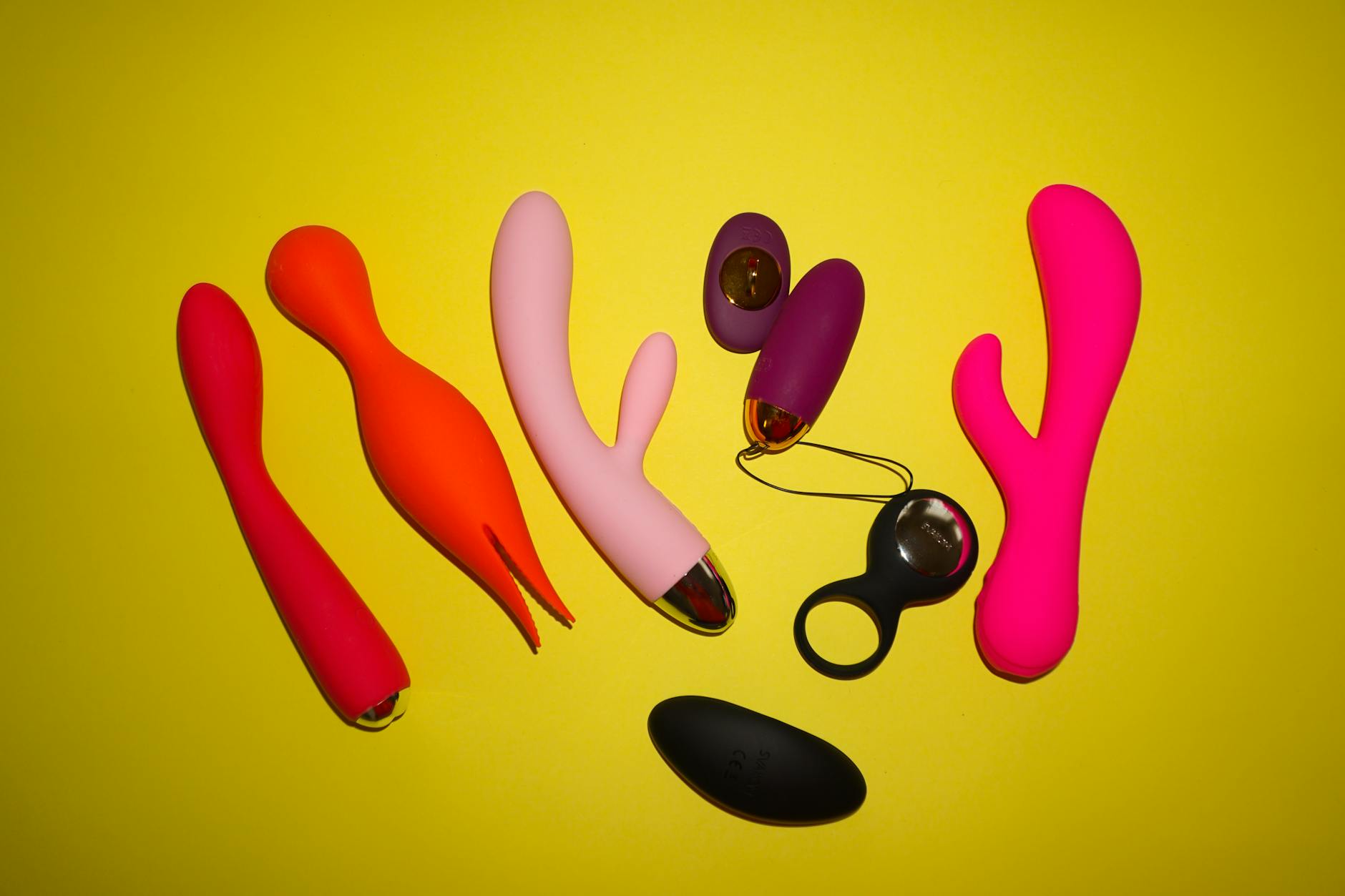
Let's talk about the thing no one warns you about
If you've started an SSRI, you already know the deal. The medication saved your mental health. And then it made orgasms either impossible or so faint they barely register. This is not a side effect you have to accept quietly.
I work with couples and individuals navigating this exact friction all the time. The most frustrating part? Your desire is still there. Your body works fine. Your brain chemistry is just running interference on the signal between stimulation and sensation. That's actually useful information, because it means the problem is addressable.
How antidepressants actually change sensation
SSRIs work by increasing serotonin availability in your brain. But here's the part that matters for pleasure: serotonin also plays a role in genital sensation and orgasm intensity. When you increase serotonin for mood regulation, you often dampen the exact neurotransmitter cascade that creates arousal and climax.
This isn't weakness. It's not in your head (well, it is, but not the way you think). It's pharmacology.
The effect shows up in three ways. First, it takes longer to get aroused. What used to happen in five minutes now takes twenty. Second, sensation feels muffled. Stimulation that once felt electric now feels like you're touching yourself through a blanket. Third, orgasms either don't arrive at all, or they arrive as a whisper instead of a wave.
About 40-60% of people on SSRIs report sexual side effects. That's not rare. It's normal. And it's also not permanent.
Why lemon vibrators work when standard vibrators fail
Here's the thing about lemon clitoral vibrators: they work differently than traditional wand or bullet vibrators. Instead of relying on rapid vibration alone to build sensation, they use gentle suction and pulsing patterns that stimulate the clitoris more holistically.
When your nervous system is dampened by medication, broad stimulation often feels better than intense, narrow focus. A lemon vibrator's design lets you feel the pattern and the sensation without needing the same raw power that traditional vibrators demand.
I recommend them specifically for this situation because they bridge the gap between what your body needs (gentler, wider stimulation) and what your brain needs (enough intensity to cut through the medication's dampening effect). It's not about forcing pleasure. It's about meeting your nervous system where it actually is right now.
The practical setup that matters
If you're starting fresh with a lemon vibrator after antidepressants, four things change the outcome.
Start with pattern one or two. Don't chase intensity. Let your nervous system learn the new sensation at lower power. You can always increase. You can't unknow the feeling of overstimulation.
Budget 20-30 minutes. Arousal takes longer on SSRIs. That's not failure. That's just the timeline. Build in time to get your body ready before you introduce the vibrator. Touch yourself. Read something that works for you. Watch something. Get blood flowing.
Use water-based lube. Sensation already feels muted. Friction makes it worse. Good lubricant helps the vibrator glide smoothly and lets you feel the pattern more clearly. This is not optional.
Position matters more than you think. Experiment with angle and pressure. Some people find that consistent, moderate pressure works better than movement. Others need the vibrator to move in patterns. There's no wrong answer, but there's definitely a right answer for your body right now. Give yourself permission to find it.
When solo exploration becomes research
Honestly, the best thing you can do at the start is explore alone. No performance pressure. No timing. Just you and the vibrator, figuring out what actually works.
Take notes. What pattern felt like nothing? What pattern made you actually feel something? At what pressure? Did your arousal build faster when you warmed up for five minutes or twenty? This is data, and your nervous system is very particular right now.
When you have this information, sharing it with a partner becomes way easier. Instead of "I don't know why it's not working," you can say "Pattern three at low pressure is what I feel right now." That's actionable. That's sexy in its own way, because it's honest.
Talking to your doctor about adjustment
If your antidepressant is the right one for your mental health but the sexual side effects are severe, three conversations are worth having.
First, ask if timing might help. Some SSRIs have slightly less impact on sexuality if you take them at a different time of day. It's not magic, but it sometimes helps.
Second, discuss whether your dose could be adjusted downward now that you've stabilized. Lower dose sometimes means less sexual dampening while still managing your mental health.
Third, if the medication itself is the problem, talk about alternatives. Some antidepressants (like bupropion) have fewer sexual side effects. Switching isn't always the right answer, but it's worth a real conversation, not just accepting it.
Your mental health matters. Your sexual pleasure also matters. These aren't opposing values. A good prescriber will help you find the balance that works.
What changes when you work with a partner
If you have a partner, the conversation matters way more than the vibrator. Because here's what happens: antidepressants flatten your sensation. Without context, a partner might think the problem is them. So they pull back. You feel the withdrawal and get anxious. Now you're managing their feelings instead of your own arousal. Spiral.
Break that cycle early. Tell them exactly what's happening: "My medication makes sensation harder to feel. It's not about you. It's a side effect. Here's what helps." Then show them. Let them see you use the lemon vibrator and experience what actually works. Make it collaborative, not secretive.
Many partners find it genuinely hot to be part of solving this problem. You're not failing. You're learning together.
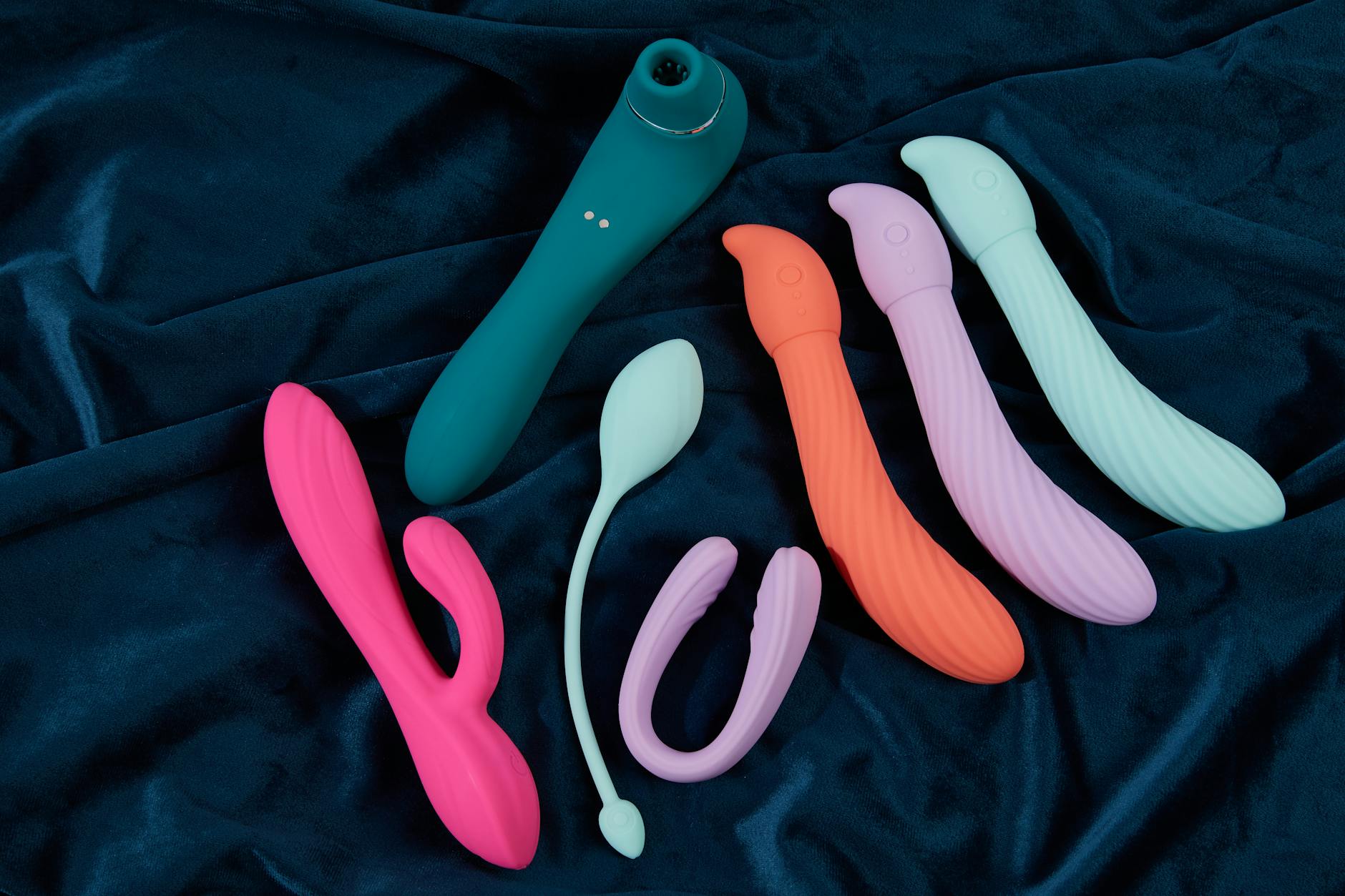
Photo by IFONNX Toys on Pexels
The timeline for feeling better
You won't feel normal immediately. That's okay. What usually happens over two to four weeks of regular use with a lemon vibrator is that sensation gradually sharpens. The muffled feeling starts to lift. Arousal comes a bit faster. Orgasms might return in a different shape than before, but they return.
This process works best if you're consistent but not pressured. Use the vibrator because you want to explore, not because you're trying to force a specific outcome.
Some people find that their body eventually adapts to the antidepressant and sexual side effects fade on their own. Others find that lemon clitoral vibrators become a permanent part of their pleasure routine because they just work better for how their body functions now. Neither is a loss.
The part nobody says out loud
Your nervous system is not broken. Your medication is doing its job. You're not less sexual or less capable of pleasure. You're just operating under different constraints right now, and that requires different tools.
Lemon vibrators aren't a workaround for a broken system. They're a tool designed for exactly this: reaching pleasure when standard approaches don't cut through. Using them isn't settling. It's meeting your actual needs.
Your pleasure matters. Your mental health also matters. Both can be true at the same time. And you deserve to experience both.
People also ask
How long does it take for antidepressants to stop affecting orgasms?
It depends on the person and the drug. For some people, sexual side effects fade after a few months as the body adjusts. For others, they persist as long as you're on the medication. Timeline isn't guaranteed. If three months have passed and nothing has improved, that's worth discussing with your prescriber rather than waiting longer.
Can you use lemon vibrators if you're on multiple medications?
Yes. Lemon vibrators are safe to use alongside any medication. The gentle suction and pulsing pattern won't interfere with how drugs work in your system. If you're on medications that affect sensation broadly (not just SSRIs), a lemon vibrator might be even more helpful because the broader stimulation pattern reaches through dampening more effectively than narrow-focus vibrators.
Do lemon vibrators work better than other types for antidepressant side effects?
For most people dealing with SSRI-related numbness, yes. The reason is that lemon clitoral vibrators use suction and broader stimulation patterns instead of relying only on intense vibration. When your nervous system is dampened, broad stimulation that covers more tissue often feels like more than narrow, intense buzzing does. That said, what works is individual. Some people prefer wand vibrators at low intensity. The key is experimenting to find what your specific nervous system responds to.
Is it normal to need stronger vibrators on antidepressants?
It's normal to need different stimulation. Not always stronger, just different. Many people on SSRIs actually find that intense vibrators become less pleasant and broader, gentler patterns work better. If you're chasing more and more power and still not feeling it, that's usually a signal to switch approaches rather than increase intensity. Talk to your doctor if sensation stays extremely blunted even with good tools.
Will lemon vibrators help if I switch antidepressants?
Maybe. Different SSRIs affect sexuality differently. Some have lower sexual side effect rates. If you switch to one with fewer sexual side effects, you might find that lemon vibrators work better or that you need them less. But they'll still be useful during the transition period while your body adjusts to the new medication. Keep them in your rotation.
Can antidepressants permanently damage your ability to orgasm?
No. Sexual side effects from SSRIs are reversible. When you stop the medication or switch to a different one, sensation and orgasm capacity typically return to baseline. It might take a few weeks, but the damage isn't permanent. Your nervous system can recover.