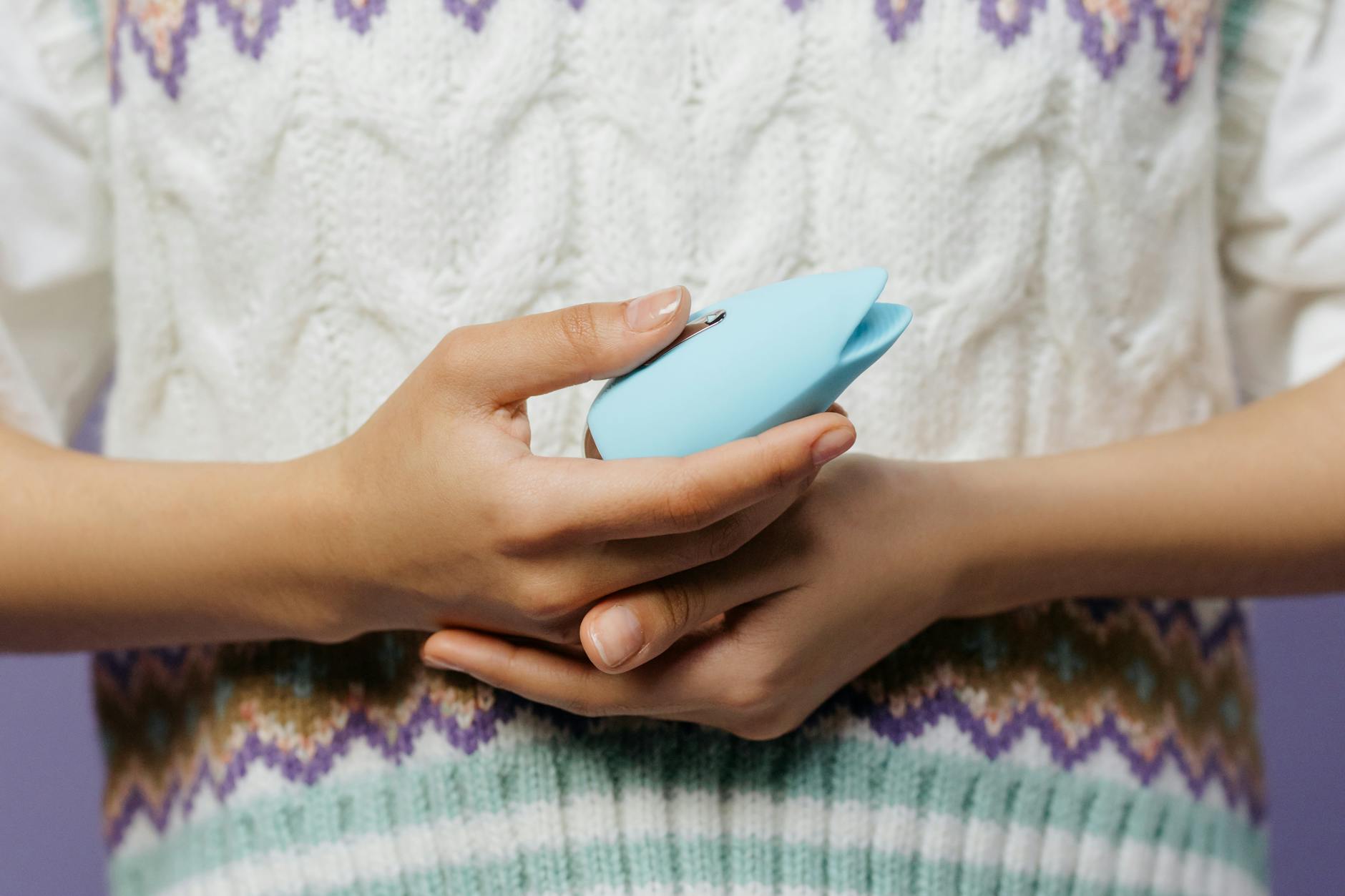
Let's start with what actually shifts
Hormones don't stop you from having pleasure. They change the texture of it. Blood flow patterns shift. Tissue thickness varies. Lubrication responds differently. The speed at which your nervous system lights up changes month to month, or across years. None of this means sex ends or that devices like lemon vibrators stop working. It means you're working with different conditions, and that's fixable with information.
I've watched countless couples assume that a change in sensation means something is broken. It's not. It's just your body doing what bodies do. Adapt.
How your cycle affects clitoral sensitivity
During the follicular phase, when estrogen is rising, blood flow to the vulva increases. Tissue swells slightly. Everything feels more responsive. This is when lemon vibrators often deliver the most intense sensation with less effort. You might find yourself reaching for lower intensities and still getting exactly what you want.
Then ovulation happens. There's a hormone surge. Many people report heightened sensitivity right before or during this window, which means the sensation from even gentle lemon suction can feel magnified. Some people love this. Others find it overwhelming.
The luteal phase (after ovulation) is different again. Progesterone rises, which can dull sensation. Tissue becomes slightly less engorged. The same intensity on your lem vibrator that felt perfect last week might feel less intense now. This isn't a problem. It's just information. You adjust.
Then menstruation arrives, and some people find they have zero interest in penetrative or external stimulation. Others find orgasms feel incredible and release cramping. Both are normal.
Why lemon clitoral vibrators work through every phase
Unlike traditional vibrators that rely on consistent friction, lemon vibrators use suction and pulse patterns. That distinction matters during hormonal shifts because suction doesn't require the same tissue thickness or lubrication to feel good. When your vulva is less engorged, suction still engages the clitoral nerves effectively. When tissue is sensitive, you control the pressure instead of friction intensity.
The Lem vibrator offers multiple intensities and patterns, which means you're not locked into one sensation approach. Low intensities work during high-sensitivity windows. Higher patterns work when you need more to build toward orgasm.
I recommend thinking of your clitoral vibrator as a tool that adapts, not one you outgrow or that becomes useless. The device stays the same. Your approach to using it changes.
Adjusting your routine through the month
Follicular phase (days 1-13ish): Start with the intensity level you'd normally skip. You might find you actually want it. Take longer warm-up time than usual, which might mean only 10-15 minutes instead of your usual 20-25. Blood flow is already happening.
Ovulation window (roughly day 13-15): This is when you might experience the fastest path to orgasm. If you typically enjoy extended sessions, you might finish faster here and feel satisfied sooner. That's the hormones working, not a problem.
Luteal phase (days 16-28ish): Extend warm-up time again. Reach for higher intensities on your lemon vibrator. Layer sensations. Use it with manual stimulation. Combine it with a partner if that's your situation. The goal isn't to force the same experience you had in the follicular phase. The goal is pleasure with what you have now.
Menstruation: Some people want nothing to do with sex during this time. Some want orgasms for cramp relief. If you do use your lemon clitoral vibrator here, external-only stimulation is usually most comfortable. Pain during this phase means stop and check in with yourself. Pleasure should feel good, not like you're pushing through discomfort.
The longer hormonal arc: what shifts across years
Your thirties and forties often bring a shift where progesterone begins to rise earlier in your cycle. You might notice a longer luteal phase where sensation feels slightly duller. This is normal. It's also when many of my clients discover that lemon vibrators become essential because traditional vibrators stop delivering the same sensation.
If you use hormonal birth control, you've likely already noticed that sensation changes. Hormonal IUDs affect sensation differently than pills. The pill affects sensation differently than no hormones. It's all individual, which is why someone's magic intensity level isn't necessarily yours.
The nervous system piece people forget
Hormones change your body, yes. But stress, sleep, and mental state also change how pleasure registers in your nervous system. If you're in a high-cortisol state for weeks, everything feels duller. It's not just hormones. It's your stress response overlaid on your hormonal cycle.
This is where most people miss the actual fix. They think they need a new lemon vibrator or a stronger device when what they actually need is sleep or to deal with whatever's creating chronic stress. Pleasure needs a calm nervous system. Hormones set the conditions, but your nervous system executes.
When to seek support
If pain appears during sex at any phase of your cycle, that's different from sensation changes and deserves attention. Genitourinary syndrome, endometriosis, or pelvic tension can masquerade as "my body just doesn't respond anymore." Get it checked. A menopause-trained gynecologist or pelvic floor physical therapist can tell you what's happening.
If desire has completely disappeared and isn't cycling back, testosterone levels might be involved. If lubrication is genuinely so minimal that even with a lemon vibrator and lube you're experiencing pain, hormonal support or topical treatments might help.
These aren't failures. They're your body asking for different support.
Making it work with a partner
If you share your bed with someone, the worst thing you can do is assume they understand that your pleasure needs have shifted. You do the explaining. "This month I'm more sensitive during ovulation" or "My cycle is long right now and I need longer warm-up" isn't a complaint. It's information.
Many couples benefit from treating hormonal shifts as part of their regular exploration rather than deviations from normal. A partner who knows that lemon vibrators work differently depending on where you are in your cycle can help you adapt instead of assuming something is wrong.
The honest truth about hormones and pleasure
Your body is not a machine. It changes. Some months pleasure feels easier. Some months it's harder. Some phases you want your lemon clitoral vibrator three times a week. Other phases once a month feels like plenty. This isn't pathology. It's biology.
What matters is staying curious instead of rigid. When sensation shifts, adjust your approach instead of assuming you've lost capacity. When desire drops, check stress levels before assuming it's hormonal. When a lemon sucker that worked perfectly last month feels different now, remember that your body is dynamic. You're not broken. You're just in a different phase.
People Also Ask
How do hormonal changes affect the sensation of clitoral vibrators?
Estrogen and progesterone directly affect blood flow to the vulva and tissue thickness. During high-estrogen phases, tissue is more engorged and sensation feels more intense. During luteal phases when progesterone rises, tissue is slightly less engorged and sensation can feel duller. Lemon vibrators work through this variation because suction engages the clitoral nerves regardless of tissue thickness. You simply adjust intensities and warm-up time based on the phase.
Can I use lemon vibrators safely during every part of my cycle?
Yes. External stimulation with a lemon vibrator is safe during any phase of your cycle, including menstruation. If you experience pain at any point, stop and assess. Pain is different from sensation changes. Most people find that using lemon vibrators throughout their cycle actually helps them understand their body better because the feedback is consistent and adjustable.
What if my arousal takes longer during certain phases?
Longer arousal windows are completely normal during the luteal phase. Progesterone slows everything down by design. Instead of fighting it, budget the time. Warm up for 20-30 minutes instead of 15. Layer sensations. Use your lemon clitoral vibrator alongside manual stimulation or a partner's touch. The goal is pleasure, not speed.
Does hormonal birth control change how lemon vibrators feel?
Yes. Hormonal birth control flattens your natural hormonal cycle, so sensation changes are less dramatic month to month. However, some people find sensation is consistently duller than before starting birth control. This is individual. Some people report that lemon vibrators actually feel better on hormonal birth control because they provide sufficient stimulation despite the flattened hormones. If you're noticing a change, it might be worth tracking it for a full cycle to see the pattern.
When should I see a doctor about hormone-related sensation changes?
See a provider if: pain appears during sex, sensation drops so dramatically that even with lube and time nothing engages you, or desire completely vanishes for months without returning. Changes are normal. Complete loss of sensation or persistent pain is worth getting checked. A menopause-trained gynecologist can run hormone levels and rule out conditions like endometriosis or genitourinary syndrome.
Can stress affect pleasure more than hormones do?
Absolutely. High cortisol suppresses sexual response regardless of your hormonal phase. You can be in peak follicular phase with perfect estrogen levels and still have flat sensation if you're sleep-deprived and stressed. This is why many people find that pleasure improves when they address sleep and stress before assuming they need a stronger vibrator or hormonal intervention. Address the nervous system first.
The bottom line
Your pleasure isn't fixed. It moves with your hormones, your stress, your sleep, and your life. Lemon vibrators are designed for this variability. They work at different intensities for different conditions. The real skill is learning to notice what phase you're in and adjusting your approach instead of assuming something is broken when it shifts. Your body isn't the problem. Your flexibility is the solution.
If you want to explore how lemon vibrators work with your specific cycle, start tracking sensation for one full month. Note which intensities work, how long warm-up takes, and what feels good. By month two, you'll have a clear map of your hormonal landscape and how to navigate it. That information is worth more than any new device.