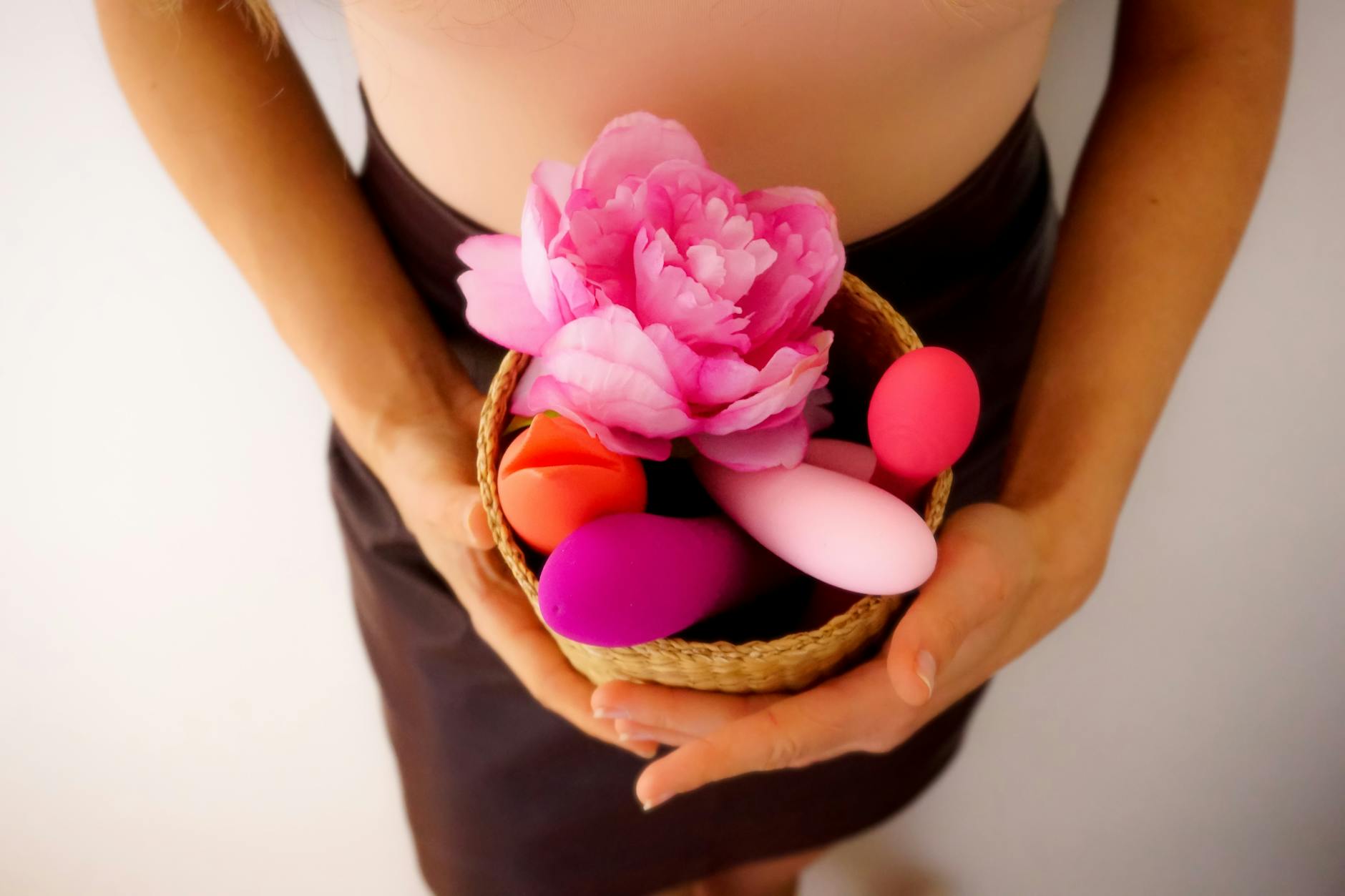
How to Use Lemon Vibrators for Better Pleasure When Estrogen Drops
Here's the thing about estrogen and pleasure. When it drops, something shifts. Not everything. Not your capacity for orgasm, not your desire, not your ability to feel intensely. What changes is the mechanics of how your body wakes up to touch.
Most people never talk about this part. Doctors mention hot flashes and sleep. Partners notice mood shifts. But almost no one explains what happens to sensation and arousal when estrogen declines, or how to work with it instead of against it. That's where I come in.
When estrogen drops, tissue in the vulva becomes thinner and drier. Arousal takes longer to build. Blood flow shifts. The pelvic floor loses elasticity. And here's the thing that nobody tells you: the clitoris and surrounding nerves get less nourishment and stimulation naturally triggers less of an automatic cascade. But the neural pathways for pleasure? Still intact. Your brain's capacity for sensation? Unchanged. The solution isn't to accept less pleasure. It's to use tools that work with your body's new reality.
That's where lemon sexual toys, especially suction-based clitoral vibrators like the Lem, change the game. Not because you need fixing. Because science backs up what my clients tell me repeatedly. The right tool, used the right way, often delivers the most satisfying orgasms of their lives.
What estrogen decline actually does to sensation
Let me break down the physiology without the clinical jargon. Estrogen is responsible for blood flow, tissue thickness, natural lubrication, and how quickly your nervous system responds to touch. When estrogen drops, each of these shifts slightly.
The vulvar tissue becomes thinner. Think of it like the difference between a firm peach and one that's slightly dehydrated. The texture changes. Sensation is still there, but direct pressure that felt amazing before now sometimes feels too intense or even uncomfortable.
Arousal takes longer. In your reproductive years, touch might trigger a physiological response in seconds or minutes. After estrogen declines, the body needs more time to build arousal. It's not a malfunction. It's a change in rhythm. Most people interpret this as "I don't want sex anymore," when the truth is "I need a different approach."
Lubrication decreases. This one everyone knows about, but the implications people miss is that without natural lubrication, friction-based stimulation feels different. Sometimes painful. Especially with traditional vibrators that rely on direct contact and movement.
The pelvic floor changes. It gets tighter in some ways and loses support in others. Orgasms sometimes feel shallower or more internal. Some people report that the quality of sensation shifts from surface-level to deeper. The nerve density doesn't change, but how stimulation travels through the tissue does.
Why lemon clitoral vibrators work differently when estrogen shifts
Traditional vibrators work by direct vibration and friction. The Lem and similar lemon sucker designs work by suction and gentle pulsing. This distinction matters enormously when tissue is thinner and more sensitive.
Suction stimulates the clitoris without requiring the same mechanical pressure. It draws tissue gently into the cup, creating a seal that builds stimulation gradually. For bodies with lower estrogen, this means you get intense sensation without the friction that might otherwise feel abrasive.
The pattern-based stimulation also matters. Lemon vibrators like the Lem come with preset patterns that pulse and release rather than constant vibration. For someone whose arousal builds more slowly, patterns actually help. They give your nervous system something rhythmic to follow and respond to, which can accelerate the arousal process.
Another hidden advantage: air-suction toys tend to feel less intense at lower settings. If you're adjusting to changed sensation, you can start at pattern 1 or 2 and work up without overwhelming tissue that's now more easily overstimulated. Traditional vibrators often don't have that gentler entry point.
Water-based lube combined with a lemon clitoral vibrator creates an environment where stimulation feels richer and more sustained. Because suction-based toys work better with a little moisture, and because that moisture stays put better than with friction-based tools, you get more consistent sensation throughout.
Building arousal slowly with the right tool
When estrogen drops and arousal takes longer, the temptation is to jump straight to intense stimulation, thinking that'll speed things up. Usually it doesn't. It just exhausts you.
Instead, budget time. Thirty to forty minutes isn't excessive. This is actually one of the advantages of the shift. In your twenties, maybe you could have satisfying sex in ten minutes. Now you get to slow down and notice more. People who make that mental shift report deeper, more textured pleasure.
Start with external stimulation that has nothing to do with the clitoris. Touch your inner thighs, your breasts, your lower belly. Let arousal build in your whole body first. Only once you feel that shift, that sense of blood moving and skin becoming more sensitive, bring the lemon sucker into play.
When you do use the clitoral vibrator, start at the lowest setting. For the Lem, that's typically pattern 1 or 2. Rest it lightly on the hood of the clitoris, not directly on the clitoris itself. Let the sensation build for five to ten minutes before increasing intensity. This gradual approach often produces stronger, longer orgasms than jumping straight to high intensity.
Pay attention to positioning. Bodies change. What hit perfectly before might need adjustment. Angle the toy slightly, move it around the hood, experiment. Your body is smarter than any instruction manual.
When to add lubrication and what kind matters
Here's the practical part that changes everything. Water-based lubricant is your friend when estrogen drops. Not because something is wrong with you. Because thinner tissue benefits from the glide that lubrication provides.
Apply lube both to the toy and to your vulva. A quarter-sized amount is usually enough. Reapply if sensation diminishes partway through. Water-based lubes are safe with silicone toys and feel warmer and more natural than silicone-based alternatives.
Some people hesitate to use lube because it feels like admitting defeat. It's not. It's working with your body. Using a lemon vibrator with lube for someone with lower estrogen often feels better and produces stronger orgasms than using the same toy without it on younger bodies. The chemistry is different. The tool adapts.
One more thing: if you have a partner, lube also helps with their comfort and confidence. Sometimes couples struggling with this transition blame each other when really they're both just working with a body that's changed. Good lube, a tool that works, and ten minutes of conversation about what feels good can transform the entire dynamic.
The pleasure shift nobody warns you about
Here's what I want you to know because almost no one says this out loud. For many people, the orgasms after estrogen drops are better than before. Not just the same. Better.
Without the cycling of hormones, without the mental load of fertility concerns, with more permission to take time and explore your own pleasure, something loosens. People report that once they stop fighting the change and start working with it, they experience more intense, longer, sometimes more frequent orgasms than they did in their thirties.
This isn't guaranteed. Some people experience a genuine decrease in pleasure response and need medical support, which is legitimate. But it's common enough that I mention it because the cultural narrative is entirely one-directional: estrogen drops, pleasure ends. That's not what research shows. That's not what my clients tell me.
The lemon clitoral vibrators help bridge that transition. They meet your body where it is now, not where it was. And once you stop grieving what changed and start exploring what's possible, that's when pleasure gets really interesting.
When to seek extra support
If lube and adjustment of technique and patience don't help, it's worth talking to a doctor. Genitourinary syndrome of menopause, or the vaginal changes that can come with lower estrogen, is highly treatable. Topical estrogen creams work locally and are safe. Testosterone therapy helps some people. A menopause-informed GP can change everything.
Pain during sex is not something to wait out. Pleasure is not a luxury to sacrifice. Your body deserves attention and care during this transition, whether that's through tools like the Lem, through medical support, or through both.
FAQ: Common questions about estrogen, pleasure, and lemon vibrators
Does estrogen drop suddenly or gradually, and does pleasure change the same way?
Estrogen typically declines gradually over years, not overnight. Pleasure often does the same, though some people notice more dramatic shifts. The change in sensation is usually gradual enough that you can adjust technique along the way. That's actually an advantage because it gives you time to experiment with lemon sexual toys and figure out what works for your body specifically.
Can lemon vibrators work if you still have some estrogen, or do you need to wait until it's very low?
Lemon clitoral vibrators help across the entire range. If you're noticing early shifts in arousal or sensation, starting with a lemon sucker design is smart. You don't have to wait until pleasure is completely disrupted. Many people find that switching earlier makes the whole transition smoother.
Do I need prescription estrogen therapy to enjoy pleasure again if estrogen has dropped?
No. Many people restore pleasure through technique, the right tools like the Lem vibrator, lube, and time. Estrogen therapy helps some people and is worth discussing with a doctor if basic adjustments aren't enough. But it's not the only path.
Can a partner help bridge this transition, and should I tell them what's changed?
Yes to both. Telling a partner that your body's response time has changed, that you need different stimulation, and that you want to explore solutions together is one of the most powerful conversations many couples ever have. It shifts the framing from "something is wrong with me" to "let's figure this out together." Most partners are relieved because now they understand what's happening instead of guessing.
Is it normal for lemon vibrators to feel too strong at first when estrogen drops?
Completely normal. Start at the lowest setting and stay there. Intensity at pattern 1 on the Lem is often exactly right for bodies adjusting to lower estrogen. You're not being too sensitive. The toy is just powerful, and your tissues are more responsive now. That's not a problem to overcome. It's information about how to use the tool better.
Will my pleasure come back the same way it was before, or is it permanently different?
It's permanently different. But different doesn't mean less. Many people describe pleasure after estrogen decline as more textured, slower to build, and ultimately more satisfying than sex in their reproductive years. You're not recovering the past. You're discovering what pleasure looks like in this phase of your life, and lemon clitoral vibrators help you get there.
The transition is real, and you're not alone
Estrogen drops. Sensation shifts. That's biology. What happens next is your choice. You can wait it out, hoping things go back to normal. Or you can work with your body's new reality, invest in tools designed for this phase, be honest with your partner, and discover that pleasure doesn't end. It just changes shape.
Lemon vibrators like the Lem are designed exactly for this transition because suction-based stimulation works better for thinner, more sensitive tissue. Combined with patience, lube, and a willingness to explore what feels good now, they help most people move from "sex is harder" to "sex is different and actually better in some ways."
Your pleasure matters. This transition is worth taking seriously, with tools that work and information that's honest. If you want to talk through what might help your specific situation, reach out. That's what I'm here for.
Sources and further reading
This post draws on clinical experience and evidence-based research on estrogen's role in sexual response, tissue changes during hormone decline, and the efficacy of external stimulation tools during that transition. For personalized medical guidance, consult a menopause-informed gynecologist or your primary care provider.