The thing nobody tells you about restarting
Let's be real. Years without sex rewires your nervous system. Your brain forgets the pathway between touch and pleasure. Your body hesitates. And if you're getting back together with someone after a long time apart, the stakes feel impossibly high because now there's a person watching, waiting, hoping you'll feel something.
That pressure is the actual problem, not your body.
Why the pressure kills arousal before it starts
When you've been away from sex for years, your body's arousal system gets dusty. That's not a flaw. That's just physiology. Blood flow needs remapping. Neural pathways for pleasure need reactivation. Your nervous system needs to remember what excitement feels like separate from anxiety.
Now add a partner. Even a patient, loving partner. You're suddenly performing, monitoring yourself ("Is this working? Am I doing this right?"), and running a constant commentary of self-doubt. That internal noise shuts everything down.
Here's the counterintuitive part: the best way to restart sex with a partner is to first restart it alone. Not because solo pleasure is more important, but because it removes the audience. It gives your body permission to be clumsy, slow, and uncertain without feeling like you're failing someone else.
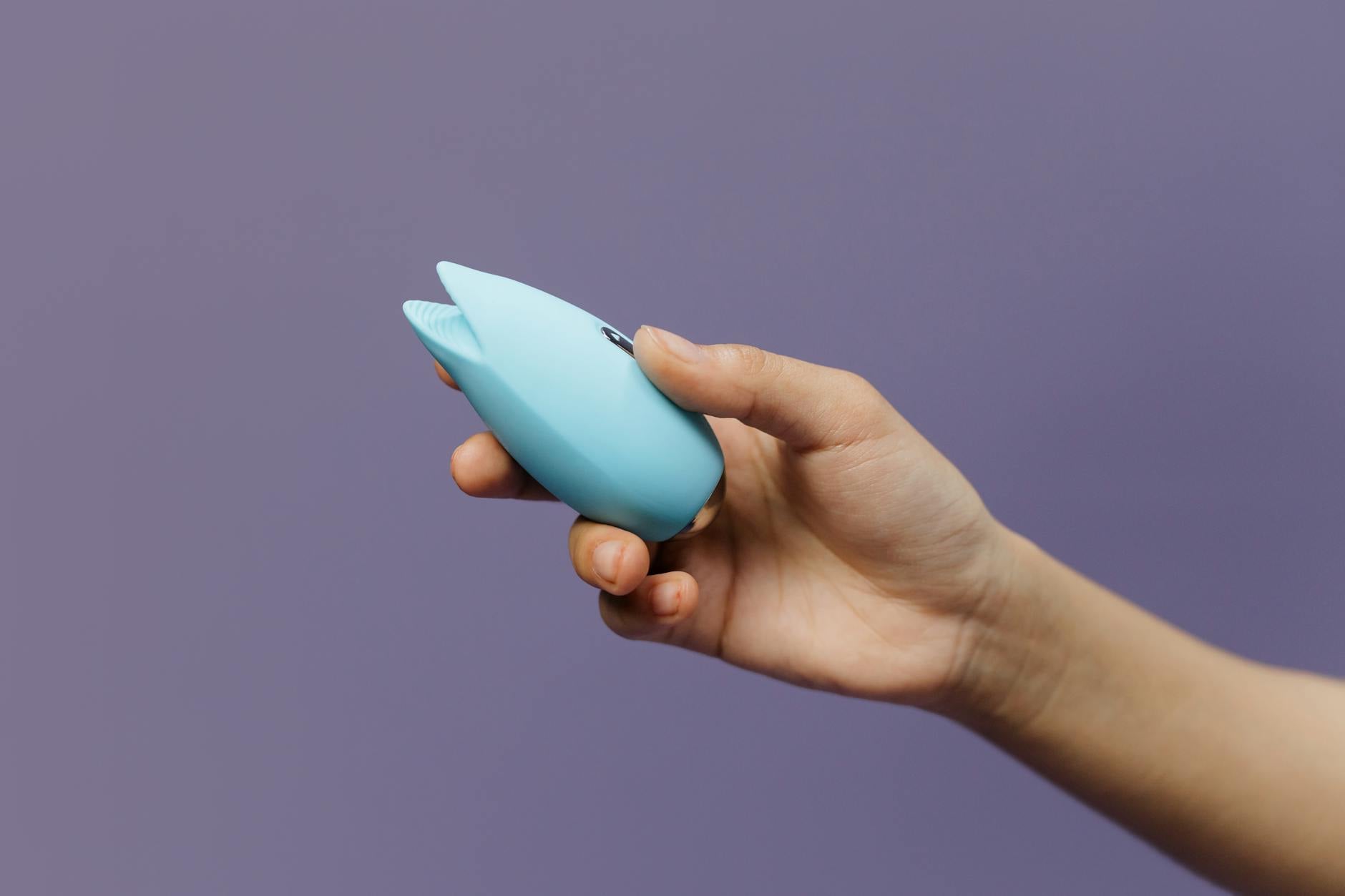
Lemon clitoral vibrators like the Lem are brutally good at this because they work with your body instead of against it. Suction stimulation bypasses the friction that often feels uncomfortable when you're restarting. It's gentler, more direct, and it doesn't require you to "perform" anything.
Why suction works differently when you're restarting
After years without touch, the clitoral tissues can feel tender or overly sensitive. Traditional vibrators rely on the clitoris being ready for direct friction. But suction-based lemon vibrators create a seal and then pulse, which means you're getting consistent, gentle pressure rather than repetitive rubbing.
It's the difference between someone poking your shoulder over and over versus holding their hand gently on your shoulder and pulsing. Both are touch, but one feels like pressure without assault.
When you've been away from sex, your arousal window is often narrow. Suction helps you find that window and stay in it without overshooting into overstimulation. Start at pattern 1 or 2 on the Lem. Let your body surprise you. You're not chasing an orgasm. You're rebuilding trust with your own nervous system.
The timeline of restarting (it's slower than you think)
Most people who take years away from sex expect that desire will snap back instantly once they're in a new (or renewed) relationship. It doesn't. Here's what typically happens.
Weeks 1-2: Anxiety is high, arousal is low. Your body is literally saying, "Wait, what?" You might feel nothing. That's normal.
Weeks 3-6: Curiosity starts to crack through. You feel tingles. You're not having orgasms yet, maybe, but you're noticing sensation. This is the phase where lemon vibrators become useful. You're no longer trying to perform. You're exploring.
Weeks 7-12: The pathway is reactivating. Orgasms might return. Desire starts to feel less like a chore and more like hunger.
Months 4+: You're reintegrated. Your body remembers. The pleasure becomes integrated with your partner because you've already proven to yourself that pleasure is possible.
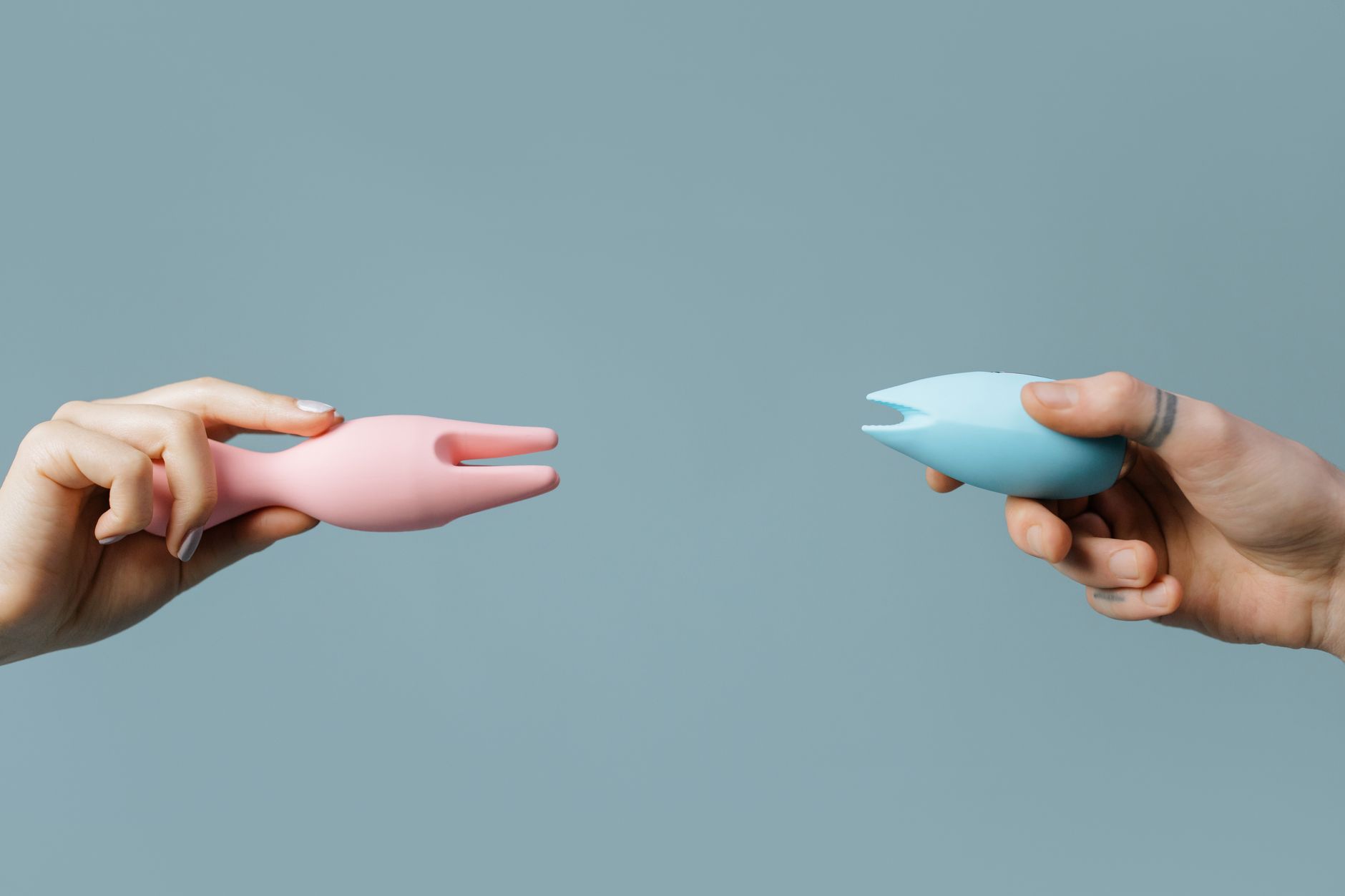
Photo by cottonbro studio on Pexels
How to use a lemon vibrator during the restart phase
First, you're doing this alone. Not because your partner isn't welcome eventually, but because you need to know what pleasure feels like without an audience.
Set aside 15 minutes, not an hour. You're not trying to have an epic session. You're gently introducing your nervous system back to pleasure. This is similar to how physical therapists reintroduce movement after injury. Gradual, curious, no forcing.
Use water-based lubricant even if you don't think you need it. When you're restarting, lubrication helps signal to your body that this is safe and pleasurable. It's not clinical. It's kind.
Start with the Lem on the lowest pattern. Many people expect to immediately want speed and intensity. You probably don't. You want to feel something, which is different. Let the sensation surprise you. If it feels too intense, you're allowed to stop. This isn't an endurance test.
Don't have an orgasm goal. This sounds bizarre but it matters enormously. When you're restarting, the pressure to "finish" is often what kills the whole experience. Instead, focus on sensation. Does this pattern feel good? Does moving it slightly change the feeling? Are you breathing normally or holding your breath?
The goal here is not an orgasm. It's reconnection.
When and how to bring your partner in
After you've explored alone for a couple of weeks, you can invite your partner. But frame it differently than you probably think.
Don't say, "I want to have sex with you again." Say, "I want to show you what I'm learning about my body. I want to spend time with you physically, and I'm going to use my lemon vibrator because that's what feels good to me right now."
There's a massive difference. The first version makes your body's pleasure about your partner. The second makes it about you, with your partner as a welcome witness.
Most people feel less vulnerable when they're holding the vibrator themselves. You control the sensation, the speed, the moment you stop. Your partner can touch you elsewhere. They can be close. But you're not relying on them to generate pleasure. You're generating it and inviting them to watch.
Many couples find this is actually more connecting than traditional sex. There's no performance pressure on either side. You're present with each other without the usual scripts.
After a few sessions of this, you might naturally want your partner to touch you while you use the vibrator. Or you might want them inside you while you use it. Or you might never want that and prefer it stays your thing. All of those are perfectly normal.
The conversation you need to have first
Before you reintroduce sex to a long-dormant relationship, talk to your partner about what you're doing and why. Not in detail. Not clinically. Just honestly.
"I've been away from sex for a long time. My body needs time to remember what pleasure feels like. I'm going to use a vibrator to help rebuild that connection. It's not about you. It's not because you're not enough. It's because my nervous system needs to reset, and this is the gentlest way to do that."
Most partners respond with relief. They've been anxious too. They've worried that you'll never want them again. Knowing that you're actively working toward desire actually reduces their anxiety.
If your partner responds with jealousy or dismissal, that's worth addressing before you restart sexual intimacy at all. Because returning to sex when there's already tension around pleasure is like trying to heal a wound in an infected environment. It gets worse, not better.
Common worries and what's actually true
"Will my body ever feel normal again?" Yes. Arousal pathways reactivate. Usually within weeks to a few months, depending on how long you were away and what else is happening in your life (stress, medication, other relationships, grief). Your body isn't broken. It's just dormant.
"What if I use the vibrator and still don't feel anything?" You might not for a while. That's okay. The goal isn't the orgasm. The goal is sensation and safety. Keep using it. Your body will respond when it's ready.
"Is it weird to use a lemon vibrator when you're with a partner?" Not even slightly. Many of the best long-term partnerships include vibrators. They're tools, not threats. They often make partnered sex better because you're less pressure-focused and more presence-focused.
"Should I hide this from my partner?" No. Transparency builds trust. Your partner wants you to feel good. Even if they're initially surprised, most people come around once they see how much it helps.
The pleasure after the restart
Something unexpected often happens once you've rebuilt pleasure with yourself. Sex with a partner becomes richer, not because your body suddenly works better, but because you're not waiting for your partner to activate pleasure for you.
You're bringing pleasure to the bed. You're a whole person with your own arousal, your own desires, your own pathways. That changes the dynamic entirely.
A lemon vibrator like the Lem isn't a substitute for your partner. It's permission. Permission to feel your own body. Permission to be imperfect and slow and uncertain. Permission to rebuild on your own timeline.
After years away, you deserve that gentleness.
FAQ
How long should I wait before introducing a lemon vibrator if I haven't had sex in years?
Start whenever you feel ready, ideally within the first month of deciding to restart. Waiting creates more anticipation and anxiety. The sooner you begin, the sooner your nervous system starts to reactivate. There's no "right" moment. Any moment you decide to try is the right one.
Can using a lemon clitoral vibrator make partnered sex feel less pleasurable?
No. In fact, the opposite is usually true. When you know how to pleasure yourself and what sensations work for your body, you're able to communicate better with your partner. You're also less dependent on them to generate pleasure, which paradoxically makes you more present during sex. Many people find partnered sex gets better after they've explored solo.
What if my partner wants to use the lemon vibrator on me but I'm not ready for that?
Tell them. You get to set the pace. "I want to use this on myself for now. Once I'm more comfortable, maybe you can help." A partner who respects your boundaries is a partner worth restarting with. If they push, that's information about whether this relationship is safe enough for physical vulnerability.
Is the suction feeling of a lemon vibrator different from traditional vibrators when you're restarting?
Yes. Suction is generally gentler and more localized. It doesn't require the same kind of direct friction, which can feel uncomfortable if your tissues are sensitive from years of no touch. The sensation is also more consistent, which helps your nervous system relax. Most people restarting find suction-based vibrators easier to use than traditional ones.
How often should I use a lemon vibrator during the restart phase?
A few times a week is plenty. You're not training your body. You're awakening it. More isn't better. Consistency is. Two or three 15-minute sessions a week will rewire your arousal pathways faster than one long session weekly. Your nervous system responds to repeated, gentle signals.
What if I feel guilty using a vibrator when I have a partner?
That guilt usually comes from old stories about what sex "should" be. Drop those. Your partner wants you to feel good. If they don't, that's a separate problem that's not about the vibrator. A lemon vibrator is a tool for your pleasure. That's not selfish. That's self-care. And partners who love you want you to have that.
Returning to sex after years away isn't about forcing yourself back into an old habit. It's about slowly rebuilding the connection between your nervous system and pleasure. A lemon vibrator is one of the kindest ways to do that. Start alone. Go slow. Trust your body. Everything else follows.