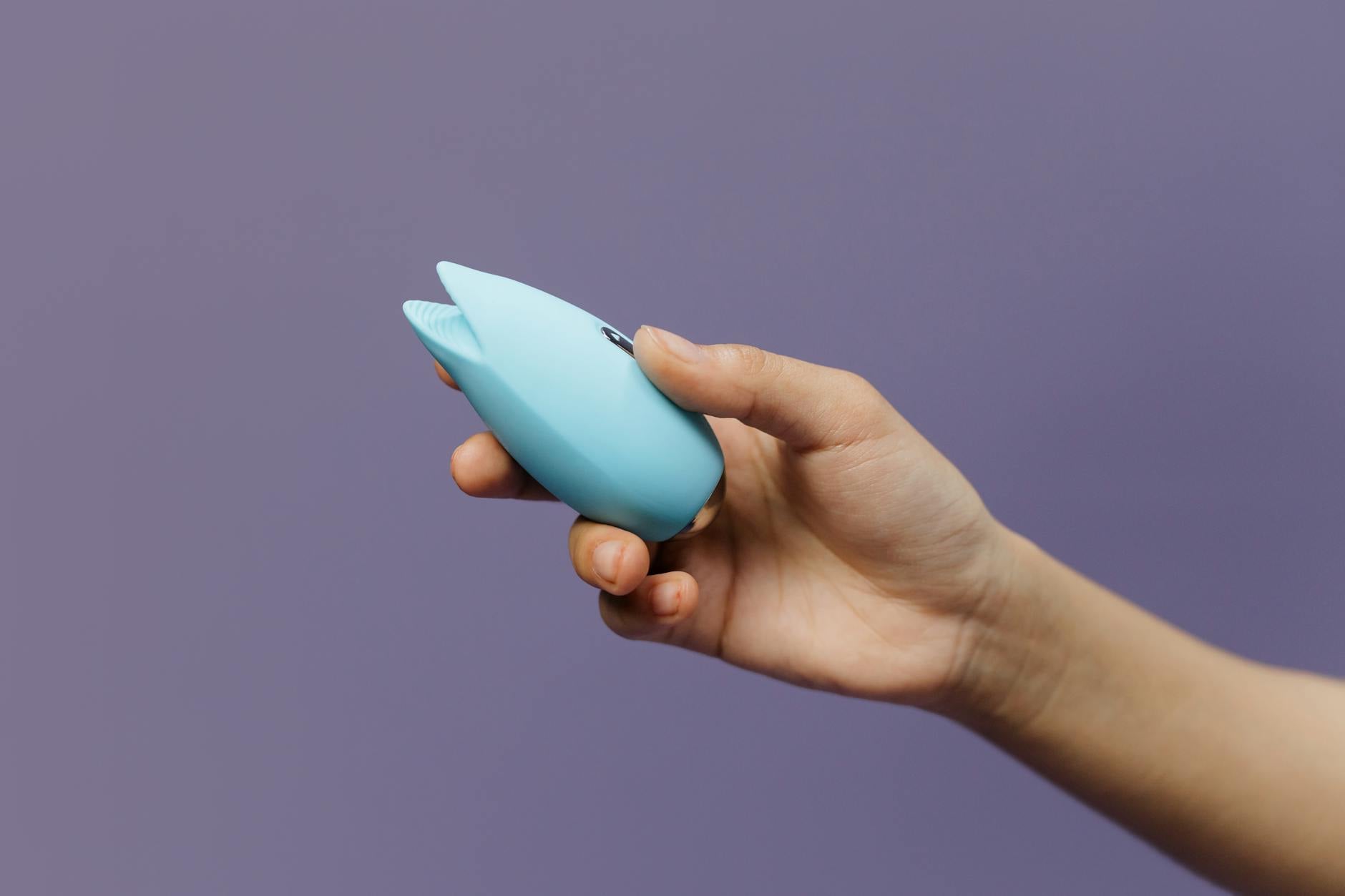
Let's name the problem first
One of you wants soft, sustained sensation. The other wants quick, intense stimulation. One of you reaches for a vibrator and thinks "finally." The other thinks "too much, too loud, too much." Nobody's wrong, and somehow both of you feel like there's no good answer. You're not broken. This is just what happens when two bodies with different wiring try to share pleasure.
Here's the thing that nobody tells you: most traditional vibrators are built for one person's preference. A wand vibrator is loud and forceful. A bullet is relentless. A rabbit offers multiple sensations but at set intensities. You're basically choosing which partner's preference gets to win each time, which means the other person is always slightly compromising. Lemon clitoral vibrators, with their suction technology, sit in a completely different category, which is why they're the first tool I recommend to couples with mismatched desire patterns.
How suction changes the conversation
Suction stimulation works fundamentally differently from vibration. Instead of a motor shaking back and forth, you get a gentle pulse that creates a seal and releases, creating a sensation that some people describe as more like a rhythm than a rattle. This matters for couples because it's inherently less aggressive than vibration, which means the person who finds traditional vibrators overwhelming often finds lemon vibrators genuinely enjoyable rather than just "tolerable."
But here's the counterintuitive part: that gentleness doesn't make it weaker. For the person who loves intensity, the ability to adjust the suction pattern and rhythm means you can build sensation more deliberately. You're not fighting against "it's either on or off, quiet or loud." You're orchestrating a feeling.
I've watched this shift dynamics in real time. Partners stop negotiating over which toy to use and start thinking "oh, we can both actually get what we want from this." That's not nothing. That's a completely different energy.
Why this matters more than the toy itself
Let me be clear: the lemon vibrator is not magic. What's actually shifting is the conversation. When you introduce a tool that bridges two different pleasure needs, you're not just adding a vibrator to the bedroom. You're saying out loud, "Your preference is valid, and I'm willing to find something that works for both of us." That's a statement about the relationship.
Too many couples get stuck in a pattern where one person's pleasure needs are treated as less important because they're inconvenient to the other person. The person who wants more stimulation feels selfish for wanting it. The person who finds vibration overwhelming feels broken for not enjoying what everyone says they should love. Both people lose. And the sex gets smaller and smaller until it barely exists at all.
A tool like a lemon clitoral vibrator creates permission to say, "Hey, we can both win here." That permission changes everything.
How to actually use this as a conversation
Don't just hand your partner a toy and say "try this." That's not a conversation, that's an accusation. Here's how I recommend approaching it instead.
Start by naming what you've both noticed without blame. "I've felt like we're never quite on the same page about intensity" is a lot better than "You always want it too hard and it weirds me out." You're describing a pattern, not attacking.
Then ask a question: "I've been reading about why some people love suction-based stimulation instead of vibration, and I'm curious if that might work better for you. Would you be open to trying something together?"
Notice that you're not saying the toy is for them. You're saying you want to try it together. That keeps it collaborative rather than corrective.
The first time you use it, go slow. Expectations get weird when new toys arrive. One partner sometimes feels like they're being tested or fixed. The other partner sometimes feels like they're not enough. Neither of those feelings is useful.
Start with the lowest intensity. Let your partner tell you what they're feeling. Ask questions. Are you enjoying this? Does it feel good? Is it too much? Not enough? The conversation is the point here, not the orgasm.
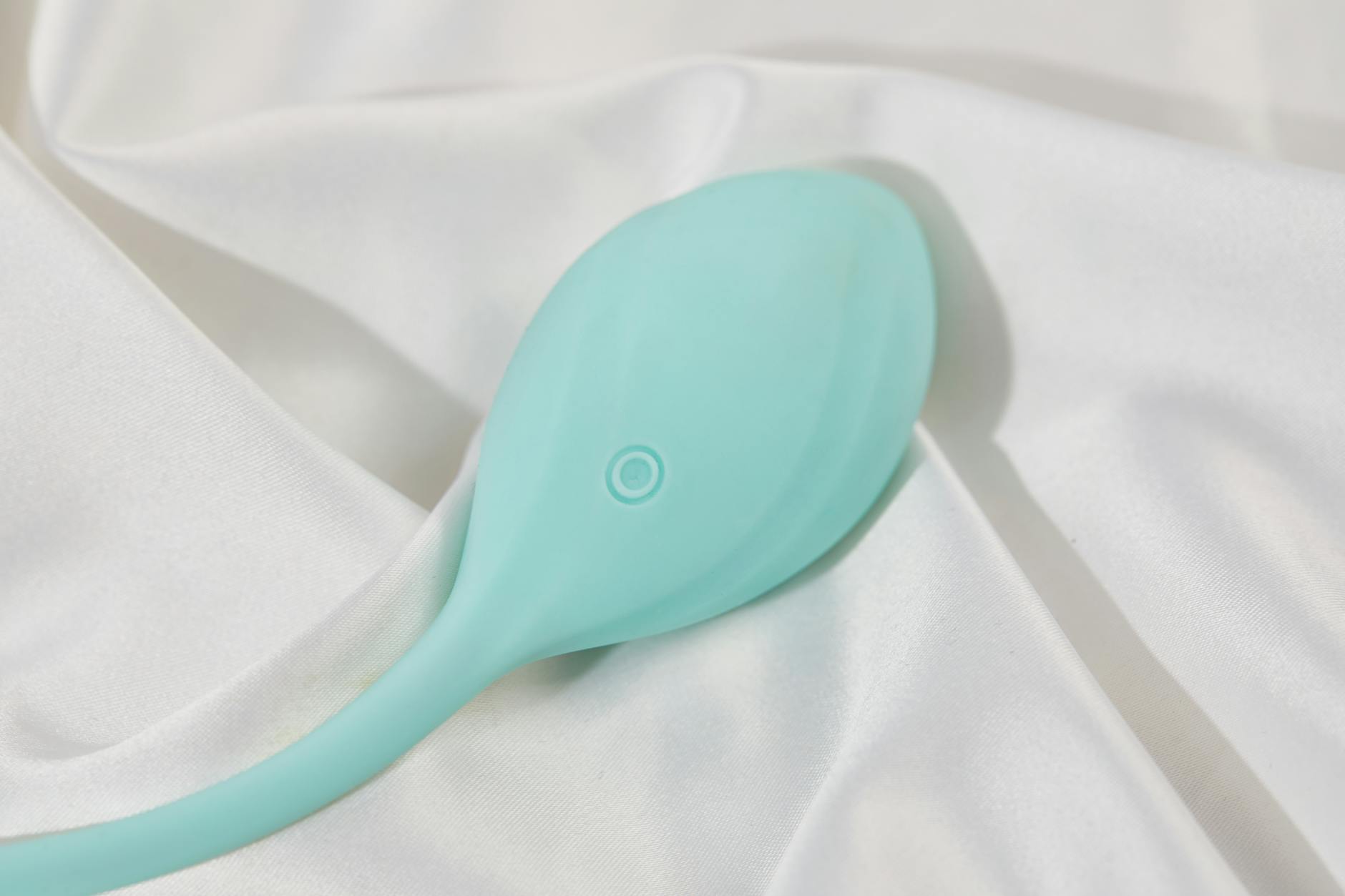
Photo by IFONNX Toys on Pexels
The partner preference spectrum
Different people want different things for really predictable reasons. Understanding those reasons helps you see why a lemon clitoral vibrator can actually serve both ends of the spectrum.
Some people prefer subtle, gradual sensation because their nervous system is sensitive. Sensation builds from a lower baseline. They're not less responsive, they're just wired to feel more acutely. For them, a lemon sucker on a lower setting hits the sweet spot. It's substantial without being jarring.
Other people prefer strong, immediate sensation because they need higher input to feel pleasure clearly. Their nervous system requires more signal to create that feeling of "yes, this is it." They're not greedy, they're just wired differently. For them, a lemon vibrator on a higher setting delivers the consistency and reliability they need to get there.
Here's the key: these are not opposite preferences that can't coexist. They're different places on a spectrum. And a tool that can modulate from soft to firm, rhythmic to pulsing, covers that entire spectrum without either person feeling like they're settling.
Compare that to a traditional vibrator, which is basically one volume at one frequency. Someone's always uncomfortable.
When mismatched preferences actually strengthen a relationship
I know that sounds unlikely. Mismatch feels like a problem to solve. But couples who actually navigate different pleasure preferences often end up with deeper intimacy than couples who happen to want exactly the same things.
Why. Because you have to talk about it. You have to actually understand what your partner wants, not assume it. You have to make choices that honor both of you, which means you're practicing generosity and creativity.
When both partners use a lemon clitoral vibrator and actually get to experience pleasure at their own level, something shifts. You stop seeing sex as a performance where one person wins and the other tolerates. You start seeing it as a place where you both matter. That's when intimacy actually deepens.
I've had couples tell me that the first time they used a tool that worked for both of them, they realized they'd been having a subtext argument about their needs for years. Once the toy made it possible for both of them to feel good, the argument just evaporated. Turns out they both wanted the same thing: to feel good and to feel seen.
The practical stuff that actually helps
A few things that matter when you're navigating this together.
First, lube. Even if you don't think you need it, add a small amount. Suction works better when there's a seal, and a tiny bit of water-based lube helps that happen without making sensation disappear. Start with less than you think you need.
Second, communication during. Ask your partner to tell you what they're feeling in real time. Not the polite version, the honest version. "A little softer" is different from "kind of too much." You're learning their feedback language.
Third, no pressure to orgasm. Seriously. The first time you use a new toy, the goal is just to see how it feels. Orgasm is a bonus, not a pass-fail test. Too many people try something new, don't orgasm immediately, and decide it doesn't work. That's not how bodies work.
Fourth, talk about it after. Not in a clinical way. More like "that was interesting" or "I liked when you tried this pattern" or "my preference might be slightly different than I thought." You're building knowledge together.
When different preferences show you something useful
Sometimes mismatched pleasure preferences aren't actually about the body. They're about stress, emotional connection, medication, or where you are in your cycle. A partner suddenly needs less sensation because they're in a stressful phase. Or they suddenly need more because they're taking medication that changed their response. Or they've just been touched out all week and any stimulation feels like too much.
This is where a tool like a lemon vibrator that can adjust and modulate becomes genuinely useful. You're not locked into one person's preference. You're meeting each other where you actually are that day.
I've worked with couples where the person who "didn't like vibration" actually loved lemon vibrators because they felt less invasive. And the person who loved intensity loved them because they could discover new sensations at different rhythms. Once you get the tool, you learn the person more. That's the actual point.
FAQ: Mismatched pleasure and what actually helps
What if my partner thinks I want them to change something about their body?
This is the fear that stops a lot of couples from trying anything new. The solution is to be very, very clear that you're introducing a tool to expand pleasure, not to fix anyone. A simple framing: "I want to feel you feel good, and I think this might help." That's it. That's the whole conversation.
Do lemon clitoral vibrators work for all body types?
Yes, mostly. The design is pretty universal because suction sensation doesn't rely on specific anatomy. What changes is preference for intensity level and pattern, not whether the tool works at all. Some people prefer the sensation on their clitoris directly. Others prefer indirect stimulation on the surrounding area. The tool works either way.
Can we use a lemon vibrator together, or does one person need to use it alone?
Both. Some couples prefer one person using it on the other. Other couples prefer both partners using lemon vibrators on themselves while they're together. There's no right way. The point is that it works for multiple preference styles, so you have options.
What if we try it and one of us still doesn't enjoy it?
Then you've learned something useful. You know it's not about the tool. It might be about stress, connection, or just genuine preference incompatibility. At least you've ruled one thing out. That's progress.
How do we talk about this without making it weird?
Start before the bedroom conversation. Read something together. Watch something about it. Normalize the idea first. Then when you bring up the tool, it's not a surprise. It's a continuation of a conversation you've already started.
Is it true that lemon suction vibrators feel less intense than traditional vibrators?
Not necessarily less intense. Different intensity. A traditional vibrator is relentless. A lemon vibrator is rhythmic and pulsing. For some people, that pulsing sensation builds to something that feels more intense than a straight vibration. For others, it feels gentler. That's why it bridges the gap. Both of you probably fall somewhere in that range.
What comes next
Honestly, the lemon vibrator is just a conversation starter. The real work is paying attention to what your partner actually wants, not what you think they should want. It's asking questions instead of assuming. It's being willing to find tools that serve both of you instead of defaulting to "this is how it's always been."
Different pleasure preferences don't have to drive a wedge between partners. They can be the thing that makes you actually learn each other better. That's the difference between a good sex life and a real one.
If you're feeling stuck in this pattern, or if you want to explore how to navigate these conversations more deeply, I'm here to help. Reach out at /contact and we can talk about what you both actually want.