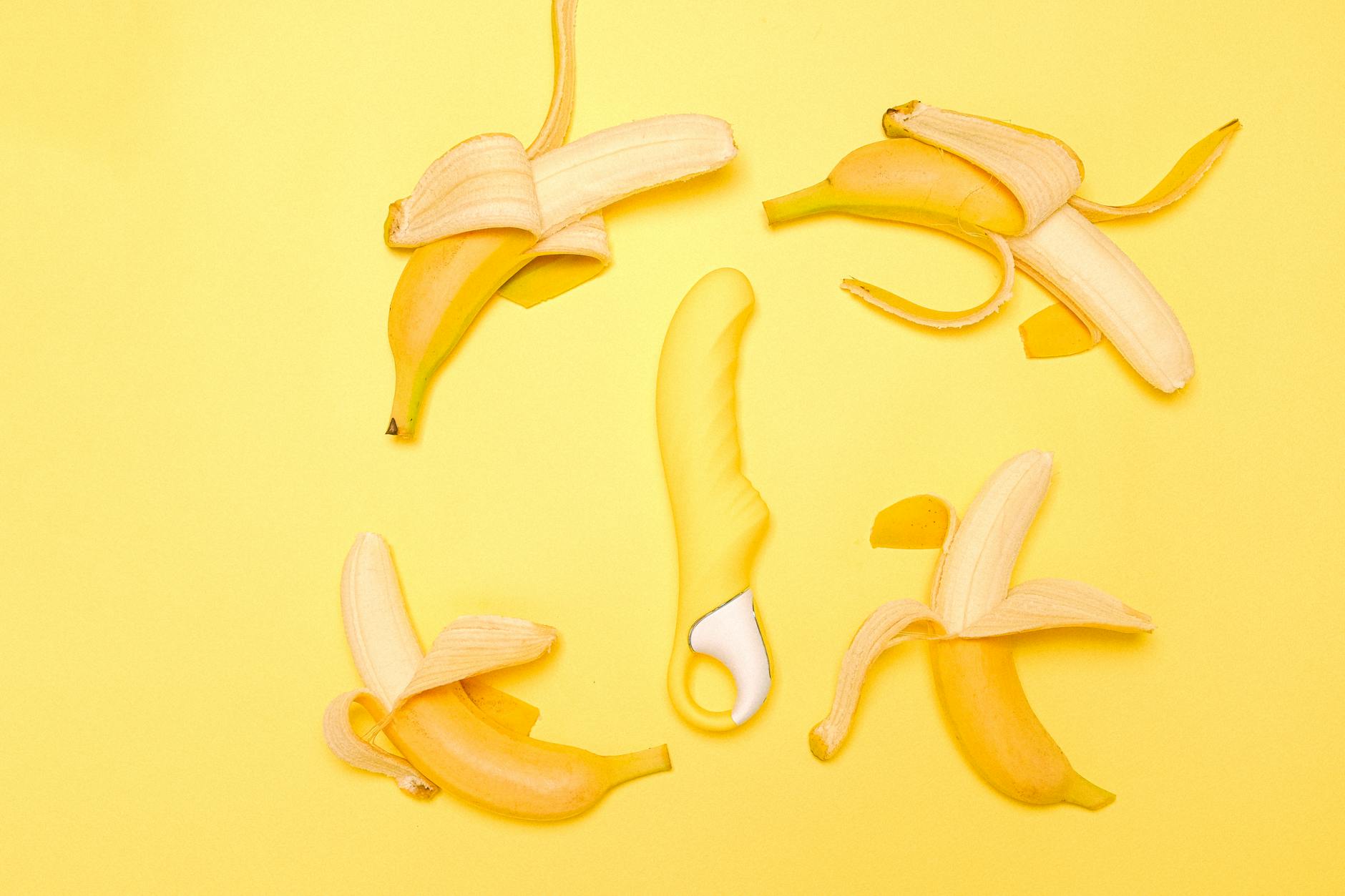
Let's talk about postpartum pleasure, because no one else will
Six weeks postpartum, your OB gives you the green light for penetrative sex. You nod, knowing you're nowhere near ready. What nobody mentions is that pleasure recovery takes a different timeline than physical healing. Your body might be cleared for action, but your nervous system, your pelvic floor, and your actual desire are living on a separate schedule.
This is where lemon vibrators change the conversation. Not because they're magic, but because they're gentle enough to meet you where you actually are.
Why postpartum pleasure feels so different
You're healing from the equivalent of a significant physical injury. Whether you had a vaginal birth or cesarean, your pelvic floor took a hit. Tissue is rebuilding. Hormones are plummeting. Your brain is flooded with oxytocin and cortisol in confusing amounts. And somewhere under all that, you're expected to want sex again.
Here's what actually changes:
Vaginal tissue becomes thinner and more fragile during this period, especially if you're breastfeeding (lactation suppresses estrogen). The pelvic floor is either recovering from stretching or dealing with surgical trauma. Nerve sensation can feel muted or hypersensitive, sometimes both at different times. Your mental bandwidth is mostly occupied by a tiny human.
And yet the cultural expectation is that once you've been cleared by your doctor, you should be good to go.
The case for a gentler entry back to pleasure
A lemon clitoral vibrator works here because it bypasses the parts of your body that are still in recovery mode. You're not dealing with penetration, pressure, or the need for significant arousal to feel something. Suction-based stimulation, which is what lemon vibrators use, reaches nerve endings without requiring tissue thickness or elasticity.
This matters because your nervous system needs permission to wake up again. You've been touched constantly by a baby for weeks. Your body has belonged to someone else in ways that are non-negotiable. Reclaiming your own pleasure is not selfish. It's part of reasserting that your body is yours.
Lemon vibrators are less intimidating than wand vibrators or larger toys because they're smaller, quieter, and the stimulation feels more localized. If you're breastfeeding and dealing with touch fatigue, you can use it alone, on your own timeline, without negotiating with a partner.
When it's actually safe to begin
Your doctor clears you for sex at six weeks, but that's a legal guideline, not a pleasure guideline. Most people don't feel ready until eight to twelve weeks postpartum. Some take six months. Some take a year. All of that is normal.
For solo exploration with a lemon vibrator, you can start gently much earlier than penetrative sex. Many people find that around four to five weeks, if they're not in pain, a gentle exploration with a small, quiet toy helps reconnect them to their own sensations. This isn't about forcing anything. It's about checking in with what pleasure feels like when it's entirely on your terms.
Start with the lowest setting. Touch the toy to the clitoral area without pressing it on. See how sensation registers. Your nervousness system will tell you if you're ready. Respect that.
Three practical approaches for postpartum use
Solo first, always. Understanding what your body responds to without the added pressure of pleasing a partner is invaluable. Spend a few weeks (or months) exploring alone before bringing anyone else into the equation.
Use it as a reconnection tool with your partner. If you have a partner, lemon vibrators can be part of rebuilding intimacy without the expectation of penetration or performance. Your partner can be in the room, you're reconnecting emotionally, but the pleasure is entirely yours to pace. This is fundamentally different from sex.
Combine it with pelvic floor awareness. As you use the vibrator, notice your pelvic floor. Are you clenching? Breathe and relax. This is physical therapy and pleasure at the same time, and that combination accelerates healing.
The hormonal piece nobody explains
If you're breastfeeding, your estrogen is suppressed. This means your tissues will stay thinner, lubrication will be minimal, and your arousal response will feel dampened. This is temporary, but it can last months. A lemon vibrator requires zero lubrication to work and zero arousal to register sensation, which makes it the perfect fit for this phase.
Once you stop breastfeeding, estrogen returns and everything shifts quickly. Pleasure becomes more accessible. But in the interim, trying to force yourself to want sex the way you did before is setting yourself up for disappointment.
How lemon vibrators compare during recovery
Wand vibrators are powerful and broad, which can feel overwhelming on sensitive tissue. Larger toys require more arousal and lubrication. Penetrative toys demand pelvic floor engagement you might not have yet. A lemon clitoral vibrator does one thing quietly and gently. It stimulates the clitoral area without demanding anything from the rest of your body.
This simplicity is not a limitation. It's perfect for this moment.
The mental health angle
Postpartum depression and postpartum anxiety are real, and one of their effects is suppressed desire. If you're struggling emotionally, adding pressure to feel sexual will make that worse. But reconnecting with your own pleasure, at your own pace, in a low-stakes way, can be grounding. It reminds you that you're still you. Your body is still yours.
If you're experiencing significant depression or anxiety, talk to your OB or a therapist. Pleasure matters, but so does your mental health. Don't use a vibrator as a substitute for professional support.
What to expect in those first explorations
Sensation might feel different. Your clitoris might feel more sensitive or less responsive. You might feel emotionally vulnerable during something you used to enjoy for pure pleasure. All of that is normal. You're not broken. Your nervous system is recalibrating.
Many people report that their first orgasm postpartum feels physically different. Sometimes more intense, sometimes more diffuse, sometimes less satisfying. This changes as you heal. By six months postpartum, most people find they're back to their baseline pleasure response. Some report it feels better.
Moving forward into rekindled intimacy
Once you're feeling more stable, typically around three to four months postpartum, you might want to bring a partner into the exploration. A lemon vibrator is brilliant here because it takes the pressure off penetration and lets you both focus on reconnecting. Your partner can be present, engaged, and supportive without any expectation that you're performing or recovering on their timeline.
Many couples find that rebuilding intimacy this way actually strengthens their connection. You're moving slowly, you're communicating more, and you're acknowledging that postpartum recovery is real.
The bottom line
Postpartum pleasure recovery is not a luxury. Your sexuality is part of your identity, and reclaiming it safely matters. A lemon clitoral vibrator is one of the gentlest ways to begin that conversation with your body. It requires nothing from you except willingness to listen to yourself.
People also ask
Is it safe to use any vibrator while postpartum?
It's safe once you're not actively bleeding and there's no open wound. But smaller, quieter tools like lemon vibrators are better suited to healing tissue because they don't require the same level of arousal or lubrication that larger toys demand. Start gently, listen to your body, and stop if anything feels wrong.
Can you use a lemon vibrator while breastfeeding?
Yes. Breastfeeding hormones suppress estrogen, which makes tissue thinner and more fragile. A lemon clitoral vibrator actually works better in this window because it doesn't rely on arousal or natural lubrication. Once you wean, everything shifts and other options become more accessible.
How long after birth should you wait to use a vibrator?
Most people are comfortable starting solo exploration around four to five weeks postpartum if they're not experiencing pain. Your doctor's six-week clearance is really about when penetrative sex is medically safe, not when pleasure exploration is safe. Go slower than that clearance suggests.
Will using a lemon vibrator affect your healing?
No, as long as you're gentle. You're not placing pressure on the pelvic floor or introducing anything into the vagina. You're stimulating the external clitoral area with suction, which is the gentlest form of clitoral stimulation available. It won't interfere with healing.
What if you don't feel ready months postpartum?
That's completely normal. Postpartum depression, anxiety, touch fatigue, and relationship stress all suppress desire. If you're not feeling ready after six months, talk to your doctor or a therapist. There's no timeline you should be following except your own.
Can your partner use a lemon vibrator on you during recovery?
Yes, and many couples find this is a beautiful way to rebuild intimacy. It removes the expectation of penetration, lets your partner participate in your pleasure, and keeps the focus on reconnection rather than performance. Just communicate beforehand about comfort levels and pace.
Reconnecting with yourself
Your postpartum body is not broken. It's healing. And healing looks like gentle, patient exploration at your own pace, not following a timeline that worked for someone else. A lemon vibrator meets you exactly where you are right now. Use it that way.