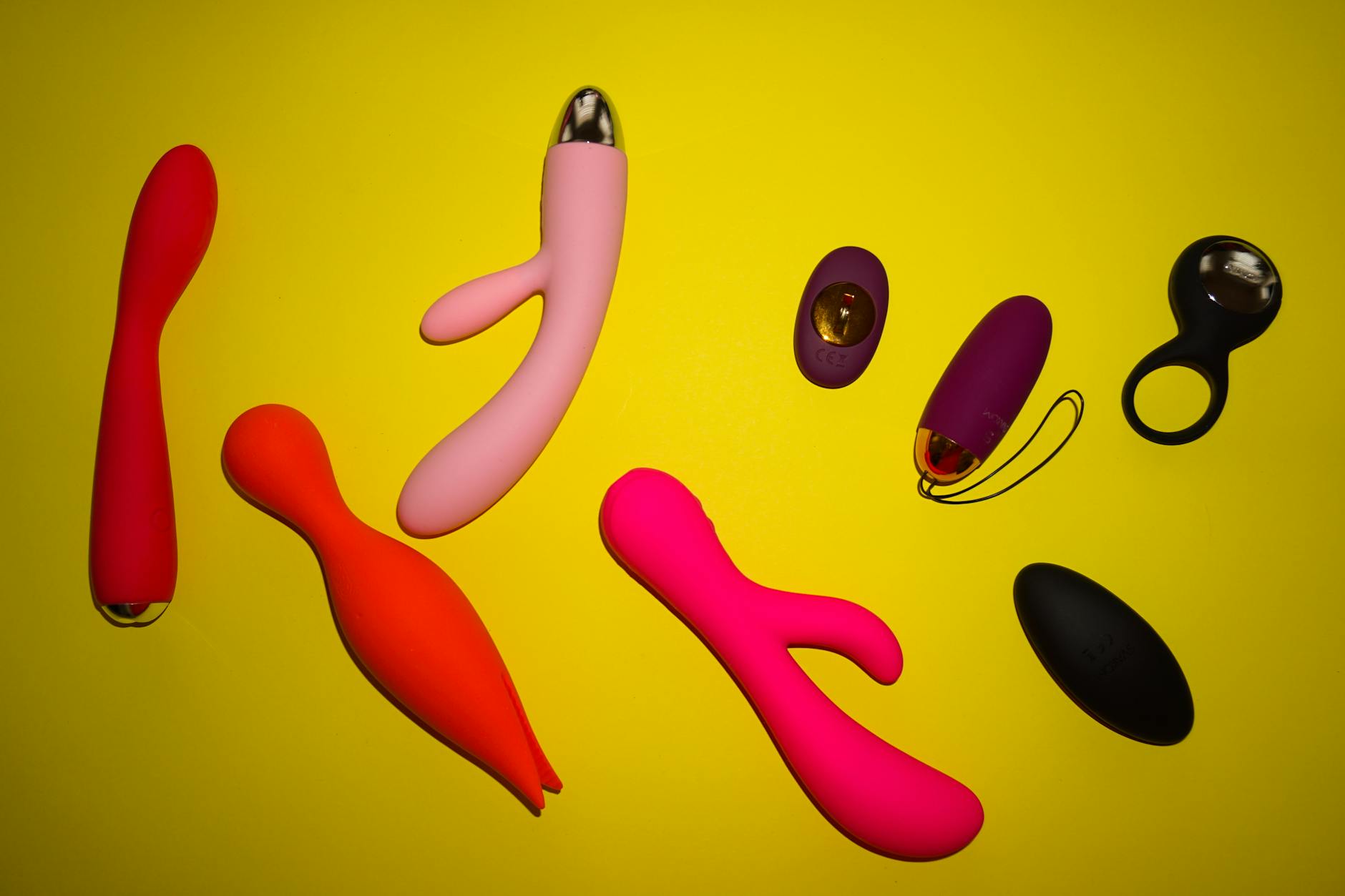
How Lemon Vibrators Can Reignite Physical Intimacy in Long-Term Relationships
Honestly? After five, ten, fifteen years together, the physical connection often doesn't disappear. It just gets boring. The same touches, same timing, same rhythm. And somewhere in that boredom, desire dies. Not because you don't love your partner. Not because attraction is gone. But because your nervous system has learned exactly what to expect, and your brain stops paying attention.
That's where something like a lemon clitoral vibrator changes the conversation. Not because toys are magic. But because introducing one into a long-term relationship does something specific: it removes the pressure of "making it work" and replaces it with something that actually feels different.
The intimacy rut is real, and it's not your fault
After years together, couples fall into what I call the "friction tax." You know what's going to happen. Your partner knows what's going to happen. The anticipation dies. The novelty dies. And with it, the neurochemical cascade that used to light everything up.
Add to that the practical stuff: kids, mortgages, the crushing fatigue of adult life. Sex becomes another task on the list, something to check off, something that feels like a duty instead of connection. Many couples I work with describe it as feeling more like a collaboration than an experience. You're both showing up because you're supposed to, not because you actually want to.
The research backs this up. Studies on long-term couples show that arousal takes longer to build, orgasms become harder to reach, and the overall frequency of sex drops significantly after the first few years. What most people miss is that this isn't inevitable. It's a signal that the nervous system needs novelty, not that the relationship is broken.
Why air-suction lemon vibrators work differently than other toys
Most vibrators create sensation through speed and vibration alone. Your body learns the pattern. After a while, it's just background noise.
Lemon vibrators like the Lem work through air-suction, which mimics a completely different sensation. Instead of vibration, you get gentle suction paired with pulsing patterns. This matters because your nervous system doesn't have years of conditioning around this type of touch. It doesn't know what's coming next.
For couples, that strangeness is the gift. When you're introducing something new into familiar territory, you both become curious again. You're exploring together instead of performing familiar roles.
Another reason lemon clitoral vibrators work particularly well for long-term couples: they don't require the same kind of penetrative setup that couples often fall into. A lot of sexual choreography in long-term relationships becomes predictable because the positions, timing, and sequence stay the same. Introducing a clitoral vibrator decouples pleasure from that fixed structure. It allows both partners to focus on sensation and response rather than the "right" way to do it.
How introducing a toy removes performance pressure
Here's what happens when couples introduce a new toy, especially something designed for clitoral pleasure: the pressure to perform shifts. Instead of one person needing to "make" the other person orgasm through their own efforts, you're both collaborating with a tool.
This sounds small, but it's huge. For the partner who's been carrying the pressure of "making it work," it's permission to relax. For the partner receiving pleasure, it removes the awkwardness of saying "I need more of X or less of Y." The toy becomes a third thing you're both relating to, not a judgment on either of you.
Many couples I've worked with report that this shift actually opens up conversation about pleasure in general. Once you've introduced one new element without shame or weirdness, you can talk about other things. What if we tried more foreplay? What if we scheduled sex instead of waiting for spontaneous desire? What if we got more sleep so we actually had energy?
The toy isn't the answer. The toy is the permission structure.
Using air-suction vibrators together as a reconnection practice
There's a specific way I recommend couples introduce lemon vibrators that tends to work best: explore it together outside of sex first.
Sound weird? It's actually brilliant. One partner explores the lemon clitoral vibrator on their own, figures out what patterns they like, what settings feel good. Then you have a conversation about it. Not during sex. Just a regular conversation. What did you enjoy? Where did the sensation feel strongest? What surprised you?
Then, when you're intimate together, it becomes collaborative discovery rather than performance. You might try different patterns together. One partner can hold the vibrator while the other person guides it. You're communicating, paying attention to response, building something new together.
This approach does something surprising: it rebuilds the habit of paying attention to each other's body. After years together, partners often stop really watching, really noticing microexpressions and shifts in breathing. Introducing a lemon vibrator forces you back into attentiveness. You have to pay attention to know if the pattern you're using is working.
The role of lemon vibrators in rebuilding after a dry spell
Some couples come to me after years of minimal physical intimacy. Kids, stress, health issues, or just neglect have created a gap that feels too wide to cross. Restarting sexual intimacy from a place of that much distance can feel impossible. The pressure to "make it count" is paralyzing.
A lemon clitoral vibrator or other Hello Nancy toy can be a practical entry point. It's less emotionally loaded than trying to have sex "properly." You're not failing if it doesn't lead anywhere. You're just exploring sensation together. That reduced pressure often leads to more actual intimacy, not less.
I also recommend this approach for couples where one partner has significantly lower desire than the other. Instead of putting pressure on the lower-desire partner to match the higher-desire partner's speed, you introduce a tool that creates sensation without requiring the same level of arousal. It stops being "you need to want this" and becomes "let's feel this together."
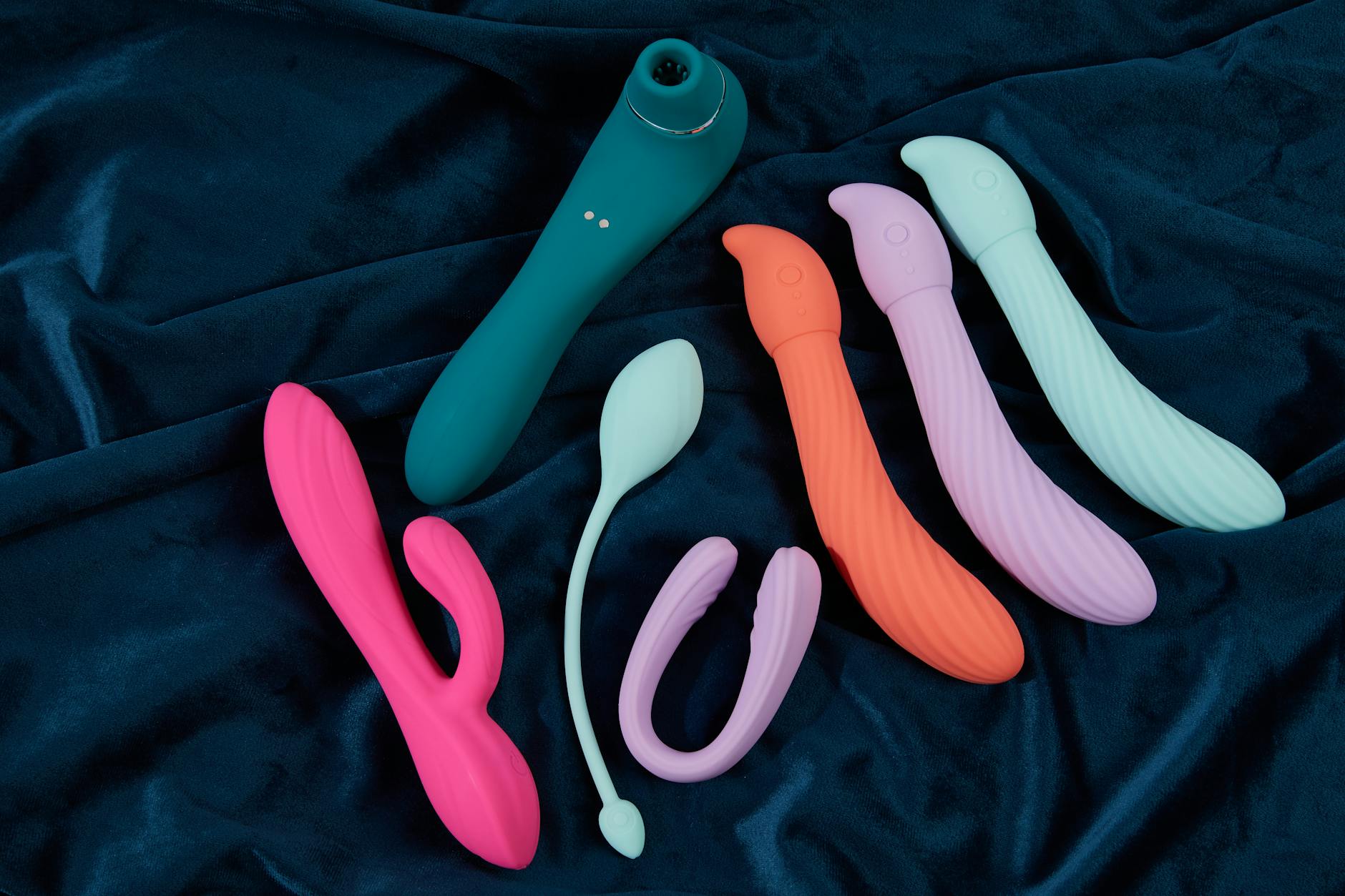
Photo by IFONNX Toys on Pexels
How to actually start the conversation with your partner
This is often the hardest part. "Hey, should we try a toy?" can feel loaded with subtext: Am I not enough? Is something wrong? Do you think I'm boring?
Frame it differently. Start with something that's true: "I've been thinking about how we could reconnect physically. I read this thing about how couples sometimes introduce new elements and it helped them remember what they liked about each other. Would you be open to exploring that together?"
You're not suggesting that anything is broken. You're suggesting that you want to invest in the relationship. That lands better. And you're specifically framing it as a shared activity, not something one person is doing to the other.
If your partner is hesitant, ask why. Often it's not about the toy itself. It's about feeling like their pleasure doesn't matter, or like introducing a toy means they're inadequate somehow. That's a conversation worth having, actually. Because if your partner feels that way, that's affecting your physical connection whether you introduce a lemon vibrator or not.
Beyond the toy: what actually matters
Here's the thing I tell couples: the lemon clitoral vibrator or any other Hello Nancy toy is a catalyst, not a cure. It works because it forces novelty and attention into a system that's gone stale. But the actual work is about rebuilding the habit of paying attention to each other, communicating about pleasure, and creating space for physical connection in your life.
That means sometimes actually scheduling sex instead of waiting for spontaneous desire that might not come. It means protecting sleep so you're not too exhausted. It means sometimes saying no to other obligations to protect couple time.
A toy helps. But what actually matters is that you've decided your physical connection is worth the effort. Once you've made that decision, the specifics of how you reconnect matter less than the fact that you're both choosing it.
Most couples I work with who introduce air-suction lemon vibrators into their intimate life report that the shift isn't about the toy itself. It's about remembering that their partner is interested in their pleasure. That they matter enough to invest in. That there's still novelty available to them, even after years together.
That mindset shift is what actually rebuilds desire.
Frequently Asked Questions
How do I know if my long-term partner will be open to introducing a toy?
You ask. And you listen. Bring it up outside the bedroom, when you're not trying to have sex. Frame it as something you want to explore together to reconnect, not as a fix for what's broken. If your partner says no, respect that. But also ask if there's something that would make them more comfortable. Sometimes people just need reassurance that this isn't about replacing them. Look at resources like the buying guide together if that helps demystify things.
Can lemon vibrators help if one partner has significantly lower desire?
Yes, often. The key is repositioning the tool as a way to explore sensation together rather than a way to "fix" low desire. It removes pressure and creates novelty, which can help both partners feel more interested. But if low desire is connected to relationship issues, resentment, or other problems, a toy won't fix that. That's when you actually need to address the underlying stuff.
What if we've never used toys before and we're nervous?
Start with conversation and education. You might read about how to use a lemon vibrator for beginners together. Explore one on your own first so it doesn't feel completely foreign when you're together. Give yourself permission to be awkward about it. Most couples feel a little self-conscious at first. That usually passes pretty quickly.
Do I need to prepare anything special to use a lemon vibrator with my partner?
Not really. Make sure you have time and privacy so you're not rushed or worried about interruptions. Have water-based lubricant handy. Read the care instructions so you know how to clean and maintain it. But beyond that, you're just exploring. There's no "right" way to do this.
How does using a toy together compare to other ways couples rebuild intimacy?
It's one approach among many. Some couples rebuild through spending more time together, better communication, or addressing underlying stress. Some benefit from couples therapy. Some need to address health issues or medication side effects. A toy works well for couples who specifically want to rebuild physical novelty and sensation. It's not a replacement for actually addressing relationship problems.
Can lemon vibrators help with specific sexual concerns in long-term relationships?
For some concerns, yes. If one partner is having difficulty with orgasm, air-suction clitoral vibrators often help. If the issue is boredom or lack of novelty, absolutely. If the issue is deeper relationship conflict or serious desire discrepancy, you'll need more than a toy. Consider working with a couples therapist alongside exploring new tools.
The long game
Reconnecting physically in a long-term relationship isn't about finding the perfect toy or the perfect technique. It's about deciding that your physical connection matters enough to invest in. It's about getting curious about each other again, which sounds romantic but is actually just about paying attention.
A lemon vibrator helps because it forces attention. You can't use something new on autopilot. You have to actually be present. And presence is what rebuilds intimacy, way more than any toy ever could. If you're ready to explore, start the conversation. Your relationship might surprise you.