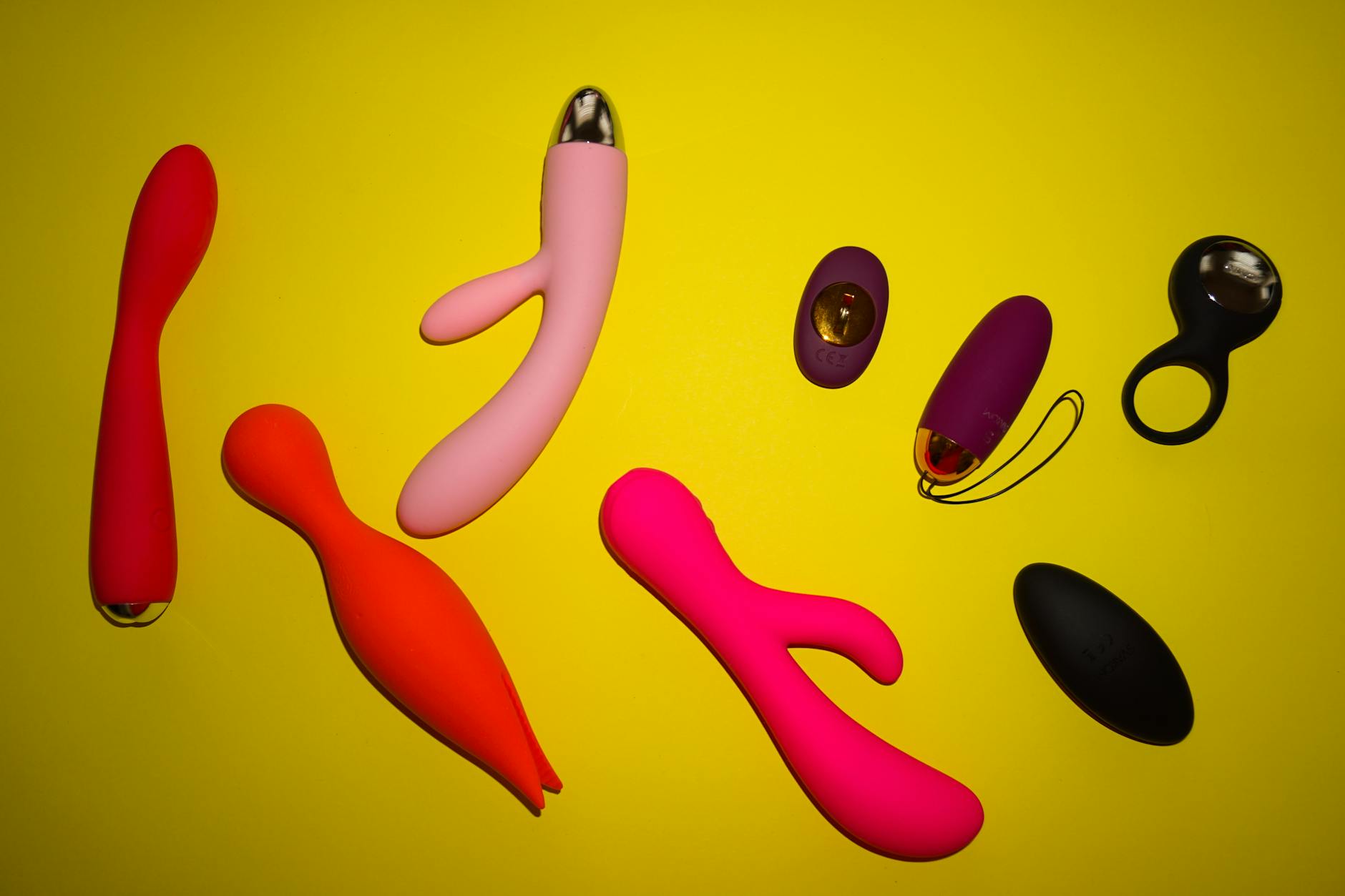
Let's acknowledge the elephant first
Coming back to sex after years away is not like picking up where you left off. Your body has changed. Your mind definitely has. The confidence you might have had is probably somewhere in the back of the closet with everything else you haven't touched in a while. That's completely normal, and it's also exactly why lemon clitoral vibrators can be such a game-changer for this transition.
Why years away actually rewires your pleasure response
When sex isn't part of your life for a long time, your nervous system genuinely forgets some of the pathway. Blood flow patterns change. Neural sensitivity recalibrates downward. Your pelvic floor might be holding tension you don't even notice because you've gotten used to it. Your brain's arousal circuitry is rusty. Not broken, but rusty.
Then there's the shame layer. If the absence was due to illness, grief, medication, or just a relationship ending, your nervous system learned to protect itself by dampening arousal. Reawakening pleasure means convincing your body that it's actually safe to feel.
This is where suction toys like the lemon vibrator shine. Unlike traditional vibrators, which require your body to already be quite aroused to feel pleasant, suction works on a different neural pathway. It triggers stimulation that feels novel and immediate. Your body doesn't have to remember how; it just has to respond.
How to restart: the first three solo sessions
Honestly, start alone. No partner, no pressure, no performance. Your first goal isn't an orgasm. It's sensation.
Session one: exploration without the toy. Set aside 20 minutes when you won't be interrupted. A bath, a quiet bedroom, whatever helps you feel safe. Touch your vulva like you're meeting it for the first time. Notice where it feels sensitive, where it feels numb, where touch is uncomfortable. No judgment. Just data. Your nervous system is remembering that pleasure is possible before you add a vibrator to the mix.
Session two: lemon vibrator on the lowest setting. This is the part where you'll understand why suction vibrators feel so different. Start with just the suction motion. No pulsing. Let your body adjust to the sensation. It might feel intense. It might feel nothing. Both are fine. Spend 10-15 minutes just getting acquainted. If it feels good, stay. If it feels overwhelming, pull back.
Session three: start exploring patterns. Most lemon vibrators come with 5-7 intensities and several patterns. Stay low. You're rebuilding sensitivity, which means starting gentle and letting your body slowly recalibrate upward. You might not come. That's truly okay. The point is that you're building new neural pathways that say "this feels good" instead of "this is something that happens to other people."
The physicality of restarting
Your clitoris actually shrinks when arousal isn't happening regularly. The tissue gets less blood flow. It literally becomes less accessible. Suction toys combat this directly because they work to increase engorgement quickly. That's a lot of the magic. You're not forcing sensation. You're restoring your body's own capacity to respond.
Expect this to take longer than it used to. Your arousal curve is probably different now. You might need 15-20 minutes of warm-up instead of five. That's not a problem. It's just information. Use it. Take the longer warm-up seriously. It's not foreplay. It's recovery.
Lubricant matters more now too. Even if you never needed it before, your tissues might welcome it now. Water-based lube is your friend. It feels natural and won't damage a silicone toy like the lemon vibrator.
When you're ready to involve a partner
This conversation is separate from the sex conversation. Have it first.
Tell your partner: "I'm rebuilding my relationship with my own pleasure. I might not come. That's not a reflection on you or how I feel about you. I'm learning my body again." Make it clear that bringing a toy into partnered sex is about both of you having better sex, not about them being inadequate.
Some partners worry that vibrators will desensitize you to them or make them feel replaced. That's worth addressing head-on. Explain that how lemon vibrators work better for couples navigating mismatched desire shows that toys actually create more pleasure for both partners, not less.
Start with the toy solo first. Let your partner watch or just know it's happening. Normalize it. Then introduce it together very slowly. Maybe they hold it. Maybe you do. There's no right way. The point is that you're building a new shared experience together, not recreating an old one.
What to expect emotionally
You might cry. Pleasure after a long absence can be unexpectedly emotional because your nervous system is processing safety and permission at the same time. If that happens, that's your body releasing years of tension. Sit with it.
You might also feel nothing for a few sessions, then suddenly feel everything. Sensitivity returns unevenly. One day a pattern feels incredible; the next day it feels meh. This is normal. You're recalibrating.
There might also be shame about how long it's been or why it happened. That's real. And also separate from what your body is actually capable of right now. Your capacity for pleasure didn't expire. It just went dormant.
The timeline is yours
Some people restart their sex life within weeks. Some take months. There's no optimal pace. Your nervous system will tell you what it needs. If you're pushing hard and it's not working, step back. If you're seeing progress, keep going. How to use lemon vibrators when your arousal takes longer to build goes deeper into managing timeline expectations, because that's real for a lot of people.
One practical thing: consistency helps. Even 10 minutes twice a week sends a stronger message to your nervous system than sporadic longer sessions. You're teaching your body that arousal is possible and safe.
Dealing with the comparison trap
You had sex before. It was a certain way. You probably remember some of it. Don't use that as the benchmark. Your body has changed. Your preferences have probably shifted. Your capacity right now is what matters, not how you performed five years ago.
This is actually an opportunity to discover things you didn't know about yourself before. A lemon clitoral vibrator might unlock sensations that traditional vibrators never did. Suction toys work on clitoral tissue in ways that feel completely different. That's not better or worse. It's just new data about your own body.
Practical setup tips
Create a comfortable environment. Lighting matters. Temperature matters. Background noise matters. Some people need absolute silence. Some people need music. Some people need a partner in the room reading. Figure out what makes your nervous system feel safe.
Charging your lemon vibrator the night before means you're not dealing with anxiety about battery life during the session. Have water nearby. Have tissues nearby. Have your phone on silent unless you're using a meditation or music app.
Don't try to optimize every variable at once. Change one thing at a time so you learn what actually helps you versus what's just theater.
When to see someone
If pain shows up, that's worth discussing with a gynaecologist. If arousal is completely absent after several months of consistent effort, a sex therapist can help. If shame or trauma around sex is blocking you, professional support isn't a failure. It's a tool.
Sex after a long break isn't something you have to solve alone.
FAQ
How long does it usually take to feel pleasure again after years without sex?
Every nervous system is different, but most people report noticeable shifts within 2-4 weeks of consistent solo exploration. Orgasms come back on a slower timeline, usually 4-8 weeks. The key is consistency, not intensity.
Can a lemon vibrator actually help rebuild sensation?
Yes, because suction creates immediate engorgement and triggers neural pathways differently than traditional vibration. Your clitoris literally becomes more sensitive as blood flow increases. That's not placebo. That's physiology.
What if I don't feel anything the first time?
Your nervous system might need a few sessions to remember what arousal feels like. Try a different time of day, a different setting, or a different intensity level. If nothing changes after 3-4 solo sessions, you might try a different pattern or take a break and come back in a few days.
Should I use a lemon vibrator with a partner or solo first?
Start solo. You need to know what feels good to you before adding another person's expectations into the mix. Plus, your body learns faster when it's not also managing performance anxiety.
Is it normal to feel emotional during or after using a vibrator after a long break?
Completely normal. Your nervous system is processing a lot. Permission, safety, pleasure, the passage of time. Tears, laughter, or just feeling overwhelmed are all part of the territory. It passes.
What if my partner feels threatened by the vibrator?
Have the conversation before introducing the toy. Explain that suction vibrators actually help you have better sex together because they restore your body's capacity for pleasure. Invite them into the process. Transparency and inclusion go a long way.
You're not starting from zero
Your body knows how to feel pleasure. It's just been a while. A lemon vibrator, patience, and genuine permission are usually all you need to rebuild that connection. The rest follows naturally.