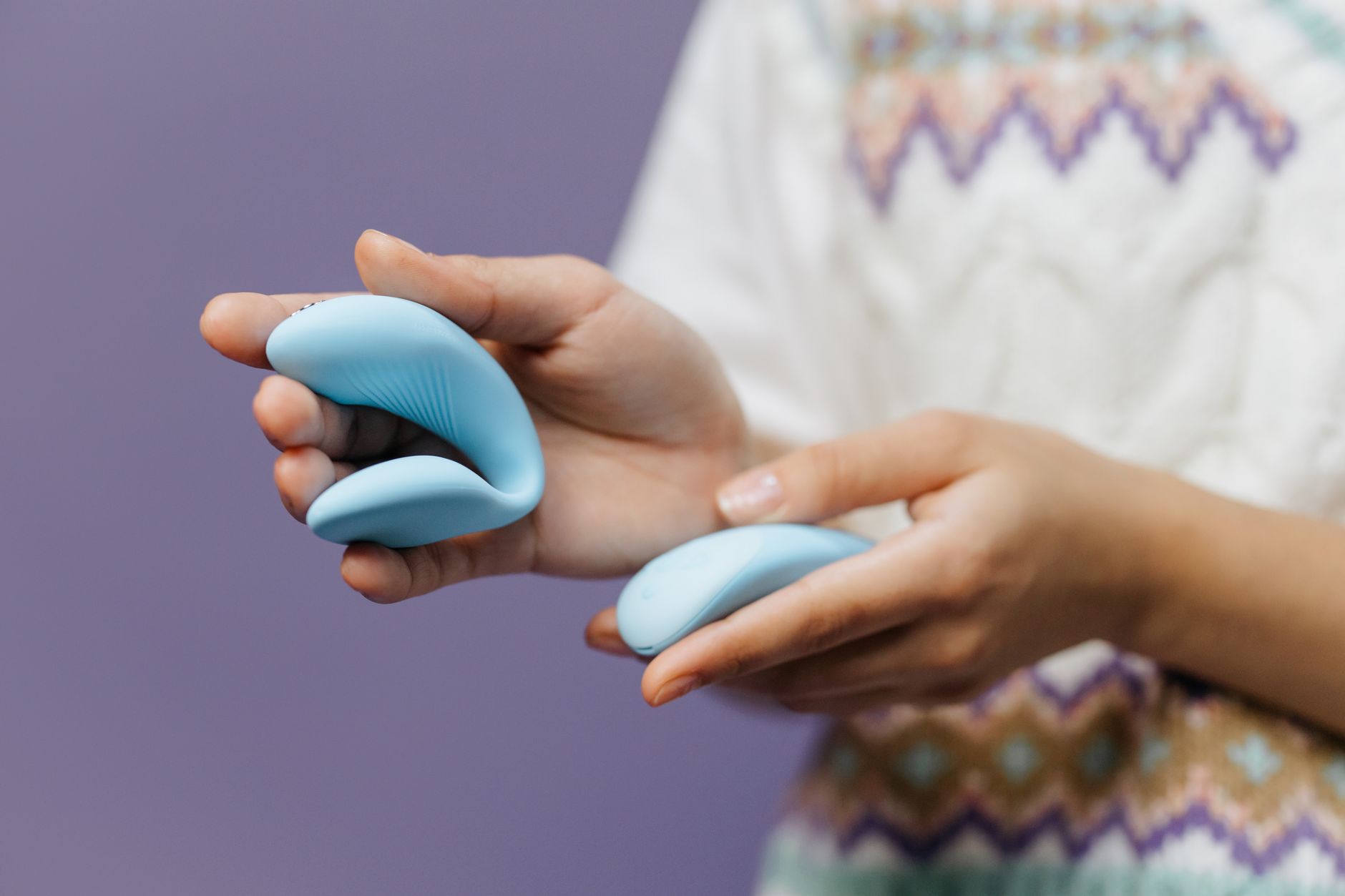
Let's be real about what happens
Menopause changes sensation. The clitoris doesn't disappear. The nerves don't vanish. But the tissue around them gets thinner, less plump, less reactive to pressure. Blood flow shifts. The threshold for arousal goes up. And suddenly, the touch that worked for twenty years feels like almost nothing.
This is not a sign that pleasure is over. It's a signal that the equipment needs different tuning.
What estrogen actually controls
Estrogen does four things to genital tissue that directly affect sensation.
First, it keeps the outer and inner labia plump and elastic. When estrogen drops, that tissue flattens. The clitoris still has all its nerve endings, but they're sitting under thinner tissue. It's like trying to feel through a single layer of silk instead of doubled fabric.
Second, estrogen maintains vaginal blood flow. Arousal happens partly through engorgement, a filling of tissue with blood that creates fullness and sensitivity. Less estrogen means less dramatic engorgement, which means fewer physical cues telling your body "you're turned on now."
Third, estrogen affects the clitoral hood and the tissues around the glans. Post-menopause, the hood often sits tighter against the clitoris, which some people experience as numbness (the clitoris is protected, so stimulation has to reach through more layers).
Fourth, estrogen influences how quickly blood reaches the pelvic region when you're aroused. This translates to a longer warm-up time and less spontaneous tingling.
Here's what doesn't change: nerve density, the brain's pleasure architecture, your capacity for orgasm, or your ability to feel deeply if you're using the right approach.
Why lemon vibrators work better for post-menopausal sensation
Most vibrators rely on direct friction or buzzing against tissue. After menopause, direct vibration can feel overwhelming on thin tissue or weirdly muted because the sensation isn't translating through flatter, more delicate skin.
Air-suction technology, like what you get with a lemon clitoral vibrator or the Nancy Com lemon product line, works differently. Instead of vibrating against tissue, air-suction creates a gentle pulling sensation. This stimulates the nerves without the same mechanical pressure.
Why that matters: the clitoris has thousands of nerve endings clustered under the surface. Direct buzzing can overstimulate or feel numb. Suction stimulates in a more distributed way, engaging more of the nerve cluster at once. For post-menopausal bodies, this often translates to more sensation with less effort.
The sensation also feels gentler on tissue that's already tender. You're not hammering at delicate skin. You're using a tool that was literally designed for the kind of tissue sensitivity that comes with hormonal change.
Starting over with sensation
If you haven't explored your body post-menopause, expect to relearn what turns you on. This isn't tragic. It's an adjustment.
Start with a longer warm-up. Forget the five-minute preamble. Budget twenty to thirty minutes of foreplay, fantasy, or solo exploration before you even turn the lemon vibrator on. Your body needs time to build arousal when blood flow is slower.
Use water-based lubricant. Not because your body is broken, but because thinner tissue benefits from it. Lube is not a sign of dysfunction. It's a tool that makes sensation clearer. Apply it generously.
Begin on the lowest setting. If you're trying a lemon clitoral vibrator for the first time post-menopause, start at pattern 1 or 2. You might think you need higher intensity to feel anything. Usually you don't. The air-suction stimulation is already doing more than you expect. Cranking it up right away can feel uncomfortable.
Experiment with positioning. Your clitoris may sit differently now. Some people find that angling the toy or applying suction to the hood instead of the glans produces more sensation. Spend a session just exploring where the sweet spot is now. It might not be where it was ten years ago.
Breathe deliberately. Shallow breathing locks arousal in your chest. Deep belly breathing sends blood south. Seriously. This changes the game.
The psychological piece nobody talks about
Menopause lands on top of other stuff. Maybe your relationship has been on pause. Maybe you've spent years in roles that didn't include pleasure (parent, caregiver, employee). Maybe you're grieving the body you had.
When sensation is already lower, guilt or self-consciousness can make it disappear entirely. If you're spending the whole session worried that you should be more turned on or that something's wrong with you, your brain is offline and your body follows.
The fix isn't another vibrator. It's giving yourself permission to approach this like an experiment, not a performance. You're not trying to recreate twenty-five-year-old sensation. You're discovering what thirty-plus-year-old sensation can be.
Photo by Hanna Brovko on Pexels
When to add a partner into the mix
If you have a partner and they don't understand that your body has shifted, using a lemon vibrator can become frustrating. The tool is innocent. The unspoken resentment isn't.
Have the conversation separately from the bedroom. "My arousal is slower now and the tissue is more sensitive. Here's what helps." Not "something's wrong with me." Just "this is what's true now."
Many partners feel threatened by toys. Here's the reframe: a lemon clitoral vibrator isn't replacing them. It's helping you access the pleasure you want, which actually makes partnered sex better because you're not performing or faking.
If you're using one together, you're not competing. You're collaborating. Your partner can apply lube, control the setting, or create headspace while the toy does the physical work. That's not less intimate. It's different.
When medication is part of the picture
If you're on HRT (hormone replacement therapy), sensation usually improves gradually. Give it three to six months before you decide it's not working. If you're not on HRT and don't want to be, that's valid. A lemon vibrator is still your tool.
If you're on medications that further reduce sensation (antidepressants, blood pressure meds, certain pain medications), lemon clitoral vibrators are even more valuable because they stimulate through suction rather than relying on sensitivity to buzzing alone.
If pain shows up during use, stop. Burning, stinging, or sharp sensations mean something's wrong. That warrants a conversation with a menopause-trained doctor. Topical estrogen creams, low-dose vaginal estrogen tablets, or vaginal moisturizers can change the game in weeks.
What nobody tells you about pleasure post-menopause
Sensation that builds slowly often goes deeper. Climax that takes longer to reach can be more integrated with your body. Pleasure that requires you to pay attention instead of just responding automatically can be radically present.
Yes, you have to adjust. Yes, direct vibration might not cut it anymore. But the nervous system doesn't stop being pleasure-capable at fifty. It just needs different scaffolding. A lemon vibrator, water, time, and radical honesty about what your body needs now is usually enough.
Your pleasure isn't diminished. It's relocated. Find where it lives now.
FAQ
Why does my lemon vibrator feel like almost nothing when I first try it?
Tissue sensitivity is lower post-menopause, and your brain isn't primed to expect sensation from the tool yet. Start on the lowest setting, use generous lube, and warm up for fifteen to twenty minutes before you turn it on. Most people report that sensation builds across three to five sessions as their body learns what to expect. If it stays muted after a week of consistent use, you might need a different approach. Check with a menopause-informed provider about topical estrogen or other tissue support.
Can I use a lemon vibrator if I'm on HRT?
Absolutely. HRT gradually restores tissue plumpness and blood flow, but it takes time. A lemon clitoral vibrator can help you maintain sensation while estrogen levels are climbing. Many people find they need less intensity as their hormone levels stabilize, but the tool is useful throughout the transition.
Does using a lemon vibrator mean I can't feel my partner's touch anymore?
No. Tools and human touch are different sensory experiences. Using a lemon vibrator doesn't retrain your body to ignore partner touch. It actually often helps because you're getting the direct clitoral stimulation you need, so partnered sex can focus on other kinds of pleasure instead. You're not replacing one sensation with another. You're adding one.
Is reduced sensation after menopause permanent?
Not entirely. It stabilizes, but it's not fixed. Tissue does regenerate if you're using topical estrogen or if you're on systemic HRT. Even without hormone support, consistent stimulation (with toys or partners) maintains blood flow and nerve responsiveness. Sensation plateaus rather than declining further. The first year post-menopause is when change is sharpest. After that, you settle into a new baseline.
How long should I warm up before using a lemon vibrator now?
At least fifteen minutes, ideally twenty to thirty. This includes foreplay, mental arousal, fantasy, or solo exploration. Longer warm-up time isn't a flaw. It's just the new timeline. Many people find that longer arousal creates deeper sensation anyway, so the shift can actually feel better once you stop resisting it.
What if a lemon vibrator still doesn't work and nothing feels good?
Talk to a menopause-trained gynecologist or sexual health specialist. Genitourinary syndrome of menopause (GSM) is real and highly treatable. Low-dose vaginal estrogen, vaginal DHEA (prasterone), or vaginal moisturizers can restore sensation in weeks. Sometimes the tissue needs pharmaceutical support before a toy will feel satisfying. That's not failure. That's useful information.
The bottom line
Menopause changes sensation. It doesn't end pleasure. A lemon clitoral vibrator, water-based lubricant, and a longer warm-up time are usually enough to restore what feels distant. Your body isn't broken. The tool you're using just needs to match the body you have now. That's it.
If you want to explore more about using lemon sexual toys through other transitions, check out our guide on how to use lemon vibrators when hormonal birth control numbs your sensation or our deep dive on returning to sex after a long relationship break. Both cover similar tissue and sensation dynamics from different angles.
Your pleasure matters. Adjust for it.